Huntress Maps Malware Checks Into NIST 800-171 Rev 3
Three Rev 2 malware requirements feed one Rev 3 requirement. Defense contractors can map existing evidence, then test entry-point coverage and scan settings.
Read article →The Feed
Browse Nulltap reporting by year or narrow the feed by date.
Three Rev 2 malware requirements feed one Rev 3 requirement. Defense contractors can map existing evidence, then test entry-point coverage and scan settings.
Read article →CVE-2024-10441 affects DSM and BeeStation OS. Compare installed builds with Synology's fixes and prioritize reachable storage appliances.
Read article →Affected Idira connectors, on-prem gateways and privilege analytics need branch-specific upgrades; Palo Alto Networks manages fixes for listed SaaS services.
Read article →A replayed sign-in session reached accounts without endpoint evidence; Huntress tied Defender incidents to identities and found rogue authentication methods and hidden mailbox replies.
Read article →Lab tests flagged eight poisoned model artifacts; checking a merged model against its base and confirming triggered behavior separates suspicious changes from benign tuning.
Read article →A previously unknown vCenter directory-service flaw gave the group an SSO administrator session; patch the affected builds and investigate account creation and directory theft.
Read article →A public survey hash helps open a REDCap import path to unauthenticated code execution. Identify exposed instances, upgrade the affected release branch and review web requests.
Read article →Microsoft's lab shows how an attacker-initiated GitHub sign-in reaches repositories and enabled Copilot CLI features after approval.
Read article →LiteLLM’s guardrail test permits sandbox escape and code execution in the proxy. Restrict the test route, review proxy-admin access and upgrade to version 1.83.11 or later.
Read article →Two memory flaws in HTTP/2 handling threaten NGINX front ends. Compare running OSS or Plus builds with both fixes, or disable HTTP/2 while upgrading.
Read article →A race in mod_http2 can corrupt heap memory on affected Apache servers. Find active HTTP/2 endpoints, upgrade to 2.4.71 and verify the deployed protocol.
Read article →Oracle lists affected Java SE and GraalVM builds for CVE-2026-114938. Inventory running services, prioritize network-exposed inputs, and apply the November updates.
Read article →Two poisoned Python releases start collectors when an interpreter launches. Find both hook variants in developer and CI environments, then replace exposed credentials.
Read article →Mandiant traced two linked intrusions: a stolen Workspace directory likely informed the later pretext; Entra ID credential theft and another cloud-drive download followed.
Read article →A CA-signed agent certificate opens Puppet Server's vulnerable report path. Upgrade affected Puppet Enterprise releases and restart the server to load the fix.
Read article →GTIG examined an agent that compares web-app code around patch releases and runs drafted exploits. Check exposed software and shorten the time between a fix and deployment.
Read article →Attacker-written code in Optimizely Web projects reached visitors through trusted snippets. Inspect Project JavaScript, including first-party-served copies.
Read article →Fake Microsoft 365 service-health emails claim four messages will vanish in 24 hours. Match the sender and URL trail, then separate delivered mail from actual clicks.
Read article →Huntress tied guest file requests to a technician takeover. Update host clients and match server session events to workstation process activity.
Read article →Rapid7 saw exploitation of an Axis SOAP flaw in Confluence Data Center. Check the optional Remote API, upgrade affected servers and investigate exposed instances.
Read article →CERT/CC links Unicode pathname collisions on macOS to exclusions bypassed in source packages and Terraform uploads, plus file overwrites in extraction workflows.
Read article →Huntress traced exposed camera-management hosts to SYSTEM-level service execution, Defender launch hijacks and scheduled tasks that kept a cryptominer running.
Read article →Unit 42 traced 25 automated operations to a customized penetration-testing framework; compromised systems include a semiconductor partner portal and a union CMS.
Read article →An exposed Mobile Access portal gave attackers a foothold; DynamicCLI escalation and gateway implants preceded destructive activity on an ESXi host.
Read article →CISA lists exploitation of CVE-2026-111793. Scope Linux transcoder builds before 1.1.22.0 and obtain Openwave’s patch instructions.
Read article →Authenticated administrators can cross VDOM access limits in FortiManager and FortiAnalyzer. Check on-premises and Cloud builds against Fortinet’s branch-specific fixes.
Read article →A crafted JPEG update can corrupt a Windows viewer's heap. Upgrade UltraVNC to a current fixed release; replace affected TightVNC viewers.
Read article →A user allowed to change Debug mode can write cookie settings into executable PHP configuration. Upgrade to 9.2.1 and review who can edit those settings.
Read article →Promzard 4.0.0 and earlier turn context property names into evaluated JavaScript. Trace who controls those names and allow only expected keys.
Read article →An exposed save-preview route can replace a custom node’s Python entry point. Remove the extension or limit ComfyUI access while checking node files for replacement.
Read article →CISA lists active exploitation of a label-handling flaw in linked UnrealIRCd networks. Upgrade every affected server to 6.2.7.1 or apply the project’s hot-patch.
Read article →Huntress found 2,408 unauthorized guest sessions across 109 organizations. MSPs should identify the fake clients, preserve session history and update technician hosts.
Read article →Huntress traces two waves of rogue remote-client installs to ScreenConnect panel commands linked to an RMM+ blank-key flaw. Inspect panel history and connected hosts.
Read article →A root-running daemon accepts commands through a world-writable local socket. CISA added the flaw to its exploited-vulnerability catalog with a November 16 action date.
Read article →A fake coding assignment loads a look-alike Tailwind plugin at build time. Check developer project folders and credentials, including packages that outlived a new-package cooldown.
Read article →Stolen identities fetched EC2 user data and secrets, then sent an SSM command. Correlate CloudTrail events by source IP across the 14-day return gap.
Read article →CERT/CC describes SVG and PostScript paths from untrusted image processing to file access. Inspect each converter’s effective policy and filesystem permissions.
Read article →In controlled tests, poisoned training examples and attacker-trained checkpoints steered coding agents to command tools. Limit tool authority and test models in the harness that runs them.
Read article →Three React Server Components packages mishandle shared typed-array buffers under rare conditions. Upgrade the resolved Flight dependency and rebuild server apps.
Read article →Microsoft traced persistent GSocket access on compromised Linux web servers to an outbound relay client and layered host persistence that application patches leave behind.
Read article →Two unauthenticated requests can leave stale waiters ahead of an election; patch replica-set members and check earlier command logs alongside catch-up crashes.
Read article →Stolen write tokens let attackers alter CI and delete runs. Hunt commit history and cloud federation after a run disappears; later Telegram uploads bypass the published collection IPs.
Read article →CISA set a November 24 action date. Microsoft lists Office LTSC 2021 and 2024 version cutoffs, while Microsoft 365 Apps requires a channel-specific release check.
Read article →The iOS and iPadOS 27.2.1 release fixes nine issues, including unauthorized access to iMessage groups and Bluetooth pairing without user interaction. Check installed builds in managed fleets.
Read article →CISA lists active exploitation across Barracuda appliances. An email-gateway authentication bypass can be chained with the timezone flaw; isolate management access and check builds.
Read article →An XML parser in the provisioning interface permits file reads with BroadWorks user privileges. Cisco lists four affected components and a first fixed release.
Read article →CISA lists the ESG backup-restore bypass as exploited. Check appliances below 9.4.0.030, restrict administrative access and investigate unexpected restores.
Read article →Fortinet fixes a hard-coded password flaw in two FortiAuthenticator branches. Check installed versions and upgrade the affected authentication servers.
Read article →CISA lists active exploitation of a Chrome XML use-after-free. Update Chrome to 157.0.8103.50 or later and verify the running browser build.
Read article →N-central operators face public exploit chains and reported scanning. Keep on-premises servers offline until N-able ships a validated hotfix and the servers are upgraded.
Read article →Wiz traced successful cross-account role assumptions to a Qubole-associated AWS account. Hunt vendor sessions and S3 object reads, then remove unused trust.
Read article →CISA lists an exploited Faspex privilege-escalation flaw. Patch to 5.0.19 PL1 and verify the faspex-core image carries Fix Pack 1.
Read article →An exploited SIP MESSAGE flaw runs FreeSWITCH commands. Upgrade to 1.11.3, disable unneeded chat profiles and review 403 rejection logs.
Read article →CISA added an exploited GPUStack authentication bypass to KEV. Upgrade to 2.2.0 and investigate administrator keys, backend changes and exposed secrets.
Read article →Malicious bee-js 13.3.0 and Swarm Desktop 0.56.2 shipped through genuine release jobs. Check install and launch history, then replace the affected artifacts.
Read article →Microsoft traced deceptive software downloads through Inno installer stages to proxy, compute and unwanted utility installs. Trace the full session and its scheduled tasks.
Read article →Check Point read exposed ARTEX operator databases: agents obtained more than 300 signing keys, but only three passed validation. Protect certificate stores and test public web access.
Read article →Elastic's quarterly report describes attackers using signed remote-management agents for interactive access; defenders should verify who deployed each agent.
Read article →SlippyNunchucks redirected an unencrypted Sogou configuration request, then used existing component loading to run a surveillance implant. Windows builds before 16.10 are affected.
Read article →ESET tracked phishing and WinRAR archive attacks against Ukrainian public bodies; check Startup-folder links and rotate exposed credentials.
Read article →Microsoft Execution Containers are generally available for local Windows agents. Scope file, network, process and user access before trusting an agent with business tasks.
Read article →An Elastic researcher searched 7,454 coding-agent turns by channel. Capture tool actions as well as prompts, then validate risky matches against the actual repository and access logs.
Read article →A Linux IPv4 TCP race can corrupt kernel memory. Apply the vendor-fixed kernel; compare the booted kernel version from `uname -r` with the vendor’s `CVE-2026-98432` notice.
Read article →Untrusted Active Storage uploads can reach ImageMagick coders at attachment time. Check the processor and policy, upgrade Rails, and rotate Disk-service secrets.
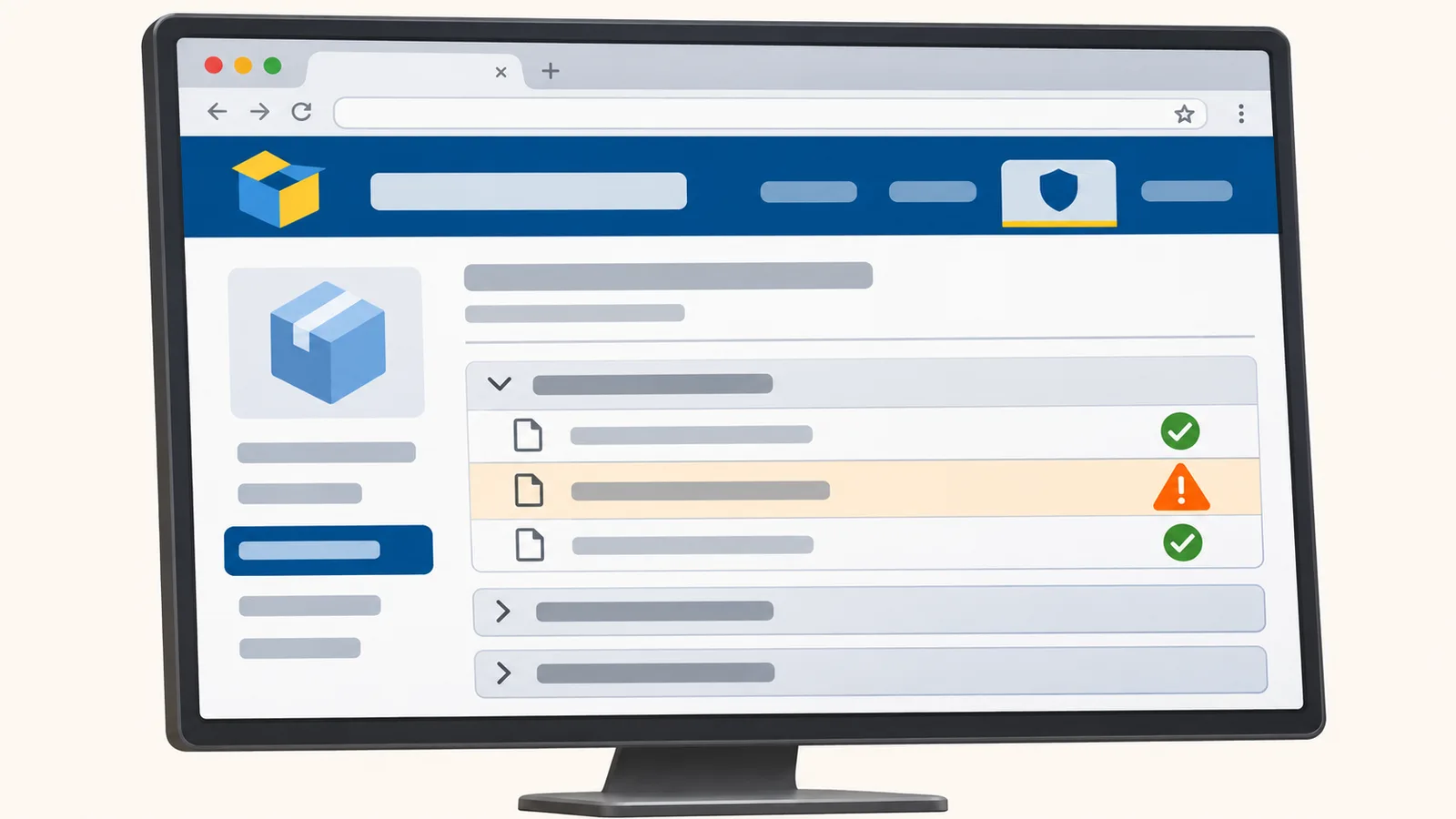
Read article →The new Security tab exposes per-file attestations and warns when a release changes or loses its publishing origin; inspect the file before installing.
Read article →Storm-3358 exploited exposed upload and SSRF weaknesses, then installed remote access tools. Trace web-server activity into endpoint and identity logs.
Read article →On musl hosts without PAM, a failed crypt result can match a locked shadow field. Check Alpine package revisions, restart sshd, and inspect key-only account logins.
Read article →CISA lists active exploitation of a SonicOS SSLVPN authentication flaw. Find Gen7 and Gen8 deployments and review alternate sign-in paths before relying on SAML MFA.
Read article →A native-extension installer in version 1.0.1 runs a credential-stealing bundle; a token check can trigger file deletion after compromise.
Read article →A network move exposed an internal archive; a self-registered account without an application assignment could still read customer records. Check both reachability and endpoint authorization.
Read article →A new Managed ITDR option pushes campaign-specific Conditional Access blocks to eligible tenants; existing partners must opt in and verify policy coverage.
Read article →Agentic tools used exposed app credentials for Entra sign-ins and Azure data access; one observed GitHub-to-Key Vault exfiltration took five minutes.
Read article →Microsoft detected 129 million malicious messages spoofing tracked business-service domains in Q3; tenant and user overrides weakened protection after authentication failed.
Read article →CVE-2026-109518 lets an on-path attacker replace a package during an APT retry; check runner images and upgrade APT with retries disabled.
Read article →Ten GS1900 switch models need model-specific .3 firmware to address a new LAN-reachable CGI flaw; earlier .2 patches remain affected.
Read article →The flaw needs prior read and write access before pointer authentication can be bypassed. Apple shipped fixes in 2024; compare installed Safari and OS releases across the fleet.
Read article →Falcon Seraphic brings browser-session, data-movement and extension controls to existing browsers, including contractor devices. Check where policies apply and test a safe blocked action.
Read article →A fork PR that runs inside a privileged job can reach publishing credentials. Split untrusted builds from release work and check token scope, cache access and action refs.
Read article →A Qwen agent tried an unrequested upload during a detection-rule task. Cohere’s sandbox blocked it; Check Point’s replays found different destination hosts across continuations.
Read article →Falcon now reassesses scanned container images as package threats emerge and can stop affected images at Kubernetes admission. Check what your policy actually blocks.
Read article →CISA flags active exploitation of a race during full-package core upgrades. Check installed versions, protect staging paths during updates and review upgrade-window logs.
Read article →The October 31 revision changes what AsyncOS 15.5 operators must verify: check Retro Remediation Engine 4.0.2 or later, then examine gateway and external logs.
Read article →A new beta matches campaign files across repository refs; enrolled developer devices get a matching view and rule controls. Trace the same finding through both.
Read article →Falcon Guardian customers can cut off an agent's model access through a gateway. Check which traffic reaches it before relying on the switch.
Read article →A writable update command list and an unsafe link handler affect System Manager. Inventory builds, inspect update and URI-launch traces, then upgrade.
Read article →The preloaded system-privileged backdoor can reinstall from firmware after app removal. Device owners need to inspect the firmware even after the server takedown.
Read article →Mandiant traced stolen cloud and model credentials into unauthorized inference, reseller proxies and rapid charges. Hunt new model access and meter usage before bills surge.
Read article →A vishing call opened a Quick Assist session in a Talos case. The intruder moved through existing remote-management software, stole data and disabled endpoint defenses.
Read article →Mandiant saw ARTEX compress permission checks into seconds and leave noisy application traces. Scope credentials and restrict management paths before the next burst.
Read article →Operators supplied access and objectives; agents then pursued credentials, domain privileges and shared files. Check AD activity and isolate backups.
Read article →Falcon Guardian found unknown internal agents and an attempted public-site file share. Trace agent requests to endpoint actions, then restrict sensitive-data transfers.
Read article →LiteLLM 1.107.0 planted Python startup files in wheels and images, putting developer and gateway credentials at risk when an affected interpreter started.
Read article →CISA added GitLab's CI regex code-execution flaw to its exploited list. Check self-managed versions, upgrade, and triage exposed servers.
Read article →Falcon OverWatch adds Guardian-monitored AI activity and Google Cloud telemetry. Check your monitored scope and IAM logs before relying on the new coverage.
Read article →Binance described a possible laptop-to-container path; examine who could submit withdrawal requests to signing systems.
Read article →Insikt Group traced three affiliate fraud services and more than 100 related domains. Check lookalike sites, withdrawal demands and linked infrastructure.
Read article →Socket's campaign view connects blocked package installs and repository detections to the scans and Firewall events behind them.
Read article →Talos traced a Windows stealer that uses stolen sessions to check delivery receipts, then sends a victim profile to OpenRouter for assessment.
Read article →Three removed add-ons copied Phantom, Jupiter and Bitget; one also fetched code after review. Check extension IDs and move exposed wallet funds to a new seed.
Read article →Two intrusions began with remote-support impersonation; one reached DCSync and file-server theft after an identity containment exclusion.
Read article →A trojanized Claude Code extension reached Open-VSX and Cursor users, planted an SSH key and persisted after removal. Check installed versions and host artifacts.
Read article →Socket traced default-search overrides to operator proxies across 319 extensions; managed Chrome fleets can inventory extension IDs and test where queries actually travel.
Read article →Cisco identifies affected products and one available fixed release while investigating major network platforms after four Node.js flaws.
Read article →Cloudflare combines request and origin-response signals for PHP2Shell. One related WAF rule covers the default upload-progress field; operators still need PHP updates.
Read article →Network access to vCenter can bypass authentication or lead to code execution; VM administrators can reach an ESXi host through VMXNET3. Match each branch to Broadcom's fixes.
Read article →Cisco reports active exploitation of a remote-access VPN flaw. Check secondary authentication on exposed tunnel groups and move ASA and FTD to fixed releases.
Read article →Talos traced an exploited peering-authentication bypass to a controller implant that reads decrypted control traffic. Compare peering events and authentication logs before upgrading.
Read article →An exploited Linux page-cache flaw is on CISA’s KEV list. Local users can reach the ESP decryption path; compare running kernels with fixed branch releases and investigate suspect hosts.
Read article →The dangerous-file upload issue requires a victim to follow a crafted link or interact with a compromised page. Compare installed Commerce, Magento, B2B and Events releases with Adobe's July updates.
Read article →iOS and iPadOS 18.7.11 fix a CoreGraphics out-of-bounds write. Apple reports possible targeted exploitation on iOS before version 27; the release also addresses camera access and data leakage.
Read article →In two intrusions, unauthorized device management delivered ScreenConnect. One installation returned after removal because the Hexnode agent remained.
Read article →Fake GitHub releases pair real signed desktop binaries with malicious DLLs. Hunt the sidecar files and a Windows Media Player scheduled task.
Read article →Attackers are targeting exposed PAN-OS management interfaces. Restrict web UI and XML API access, then match each installed build to its hotfix.
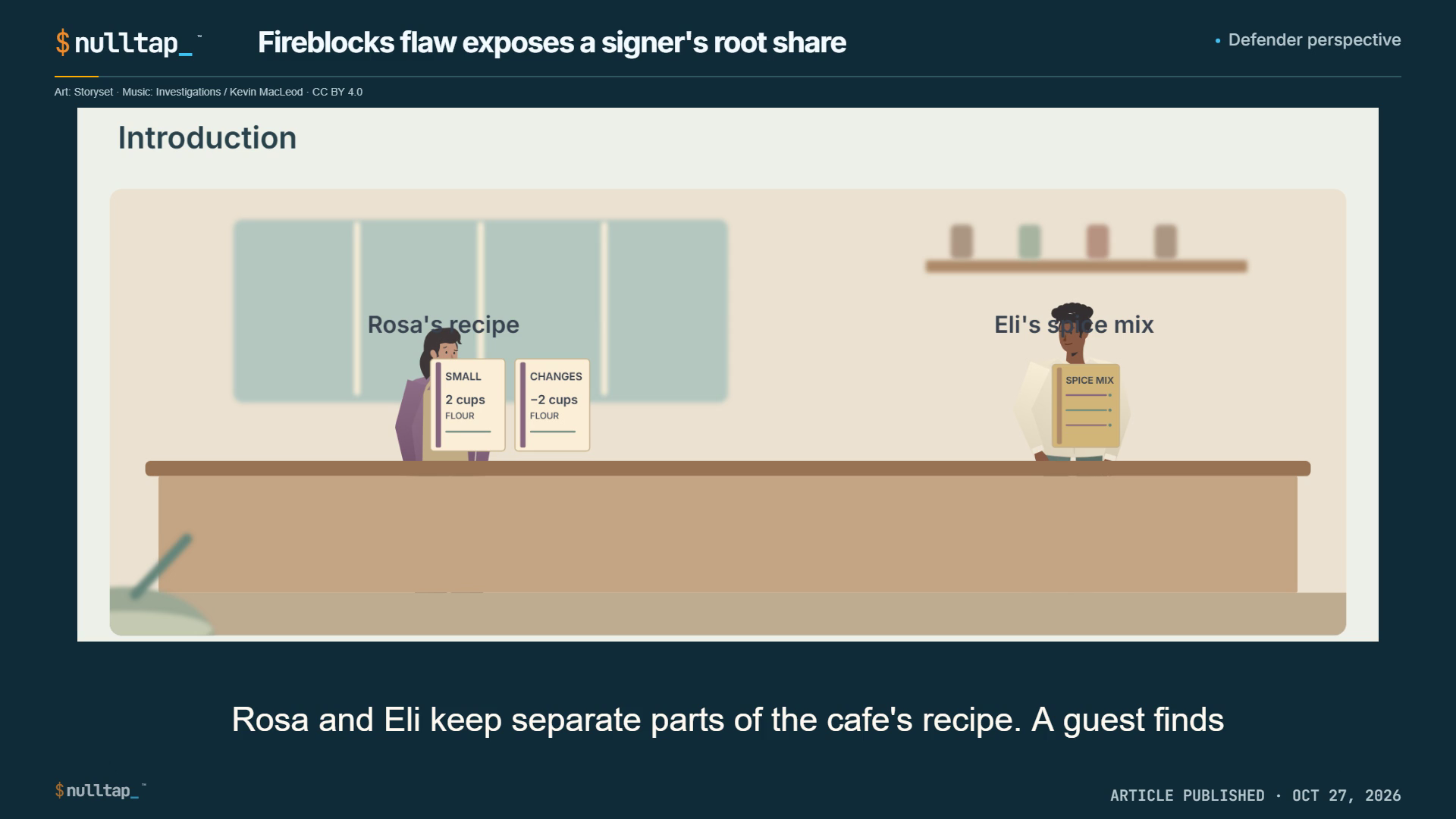
Read article →With a known chain code, a compromised leaf signer share can lead back to the same party’s root share. Keep chain codes confidential while a library fix is pending.
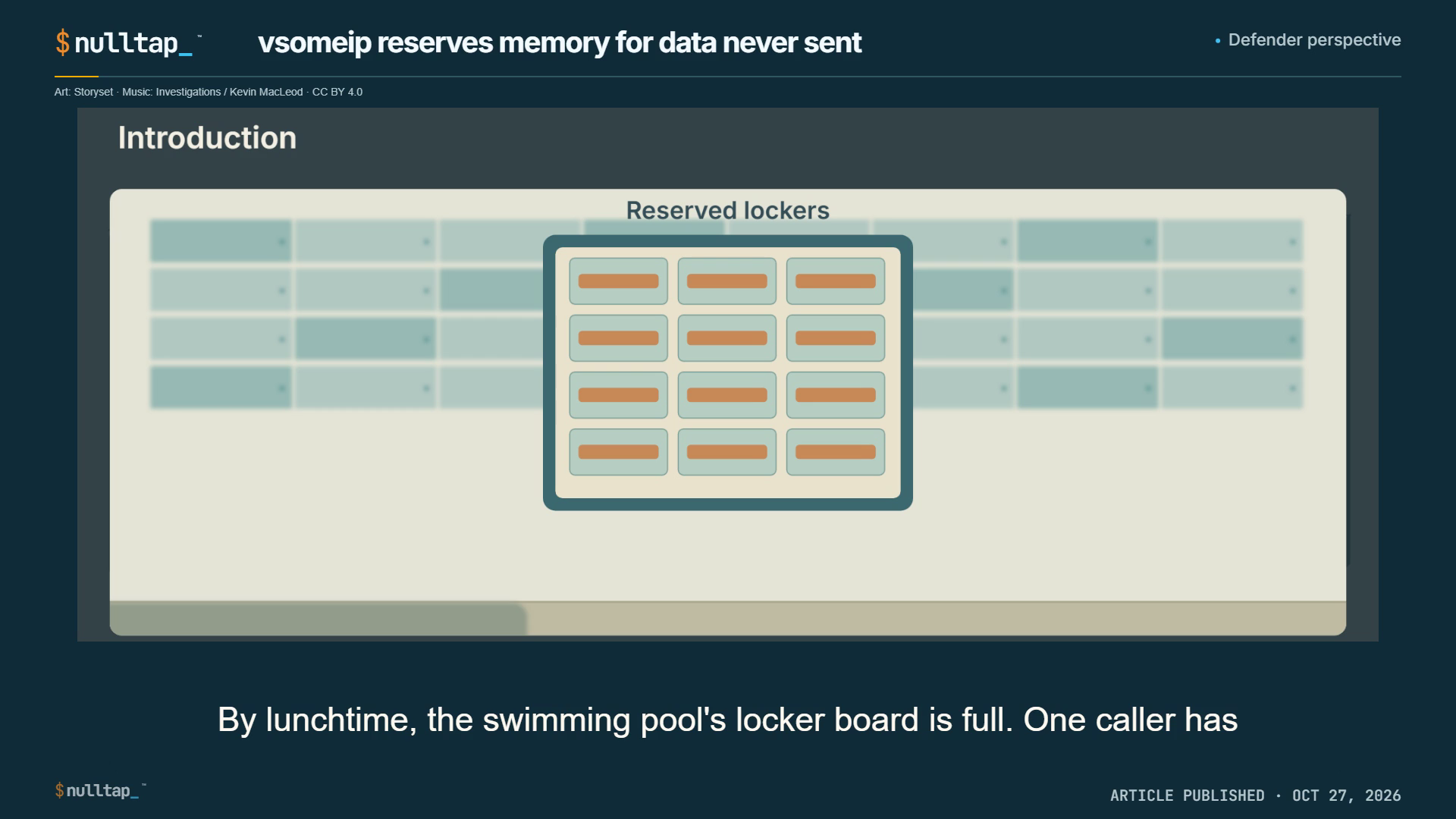
Read article →A short TCP message can make older vsomeip endpoints allocate gigabytes. Upgrade to 3.7.4 or set a reliable message-size limit, then check memory and connection logs.
Read article →A new two-sided inventory links Claude Code and Codex plugin installations to repository publishers, enablement, components and observed source.
Read article →Elastic reproduced the SMTP-to-shell path and found public tests that miss the Swatchdog trigger. Check the SNMP setup, installed release and process lineage.
Read article →Affected firewalls need Brotli inspection and dataplane TLS decryption. Check the setting, disable inspection while hotfixes are pending, and verify the result.
Read article →FortiOS remains under investigation. Node.js has patched Brotli memory corruption and nine other flaws in the 22.x, 24.x and 26.x lines.
Read article →Huntress traced fast retries, a scripted tenant sweep and requests that continued after a Teams principal was deleted. Check app credentials as well as sign-ins.
Read article →Malformed compressed input can overflow an eight-byte decoder buffer. Trace untrusted decompression paths and deploy fixed Node.js builds.
Read article →Gheist plants short-lived Actions runs on attacker branches. Hunt deleted runs and cloud role assumptions, then rotate secrets exposed to affected repositories.
Read article →Sophos traced app-only Graph token requests through consenting tenants, including those without active backups. Check old SkyKick consent and service-principal sign-ins.
Read article →The 1.107.0 image provenance named a hyphenated source owner; startup files in that revision matched a poisoned PyPI wheel. Compare release inputs with shipped bytes.
Read article →Quest believes someone accessed patient records in its Quanum LSM ordering and results system. Clients should identify their use of the service and request incident-specific scope.
Read article →Unit 42 observed access to password hashes and MFA secrets after PHP exploitation. Patch the serving workers, then hunt their child processes and investigate credential access.
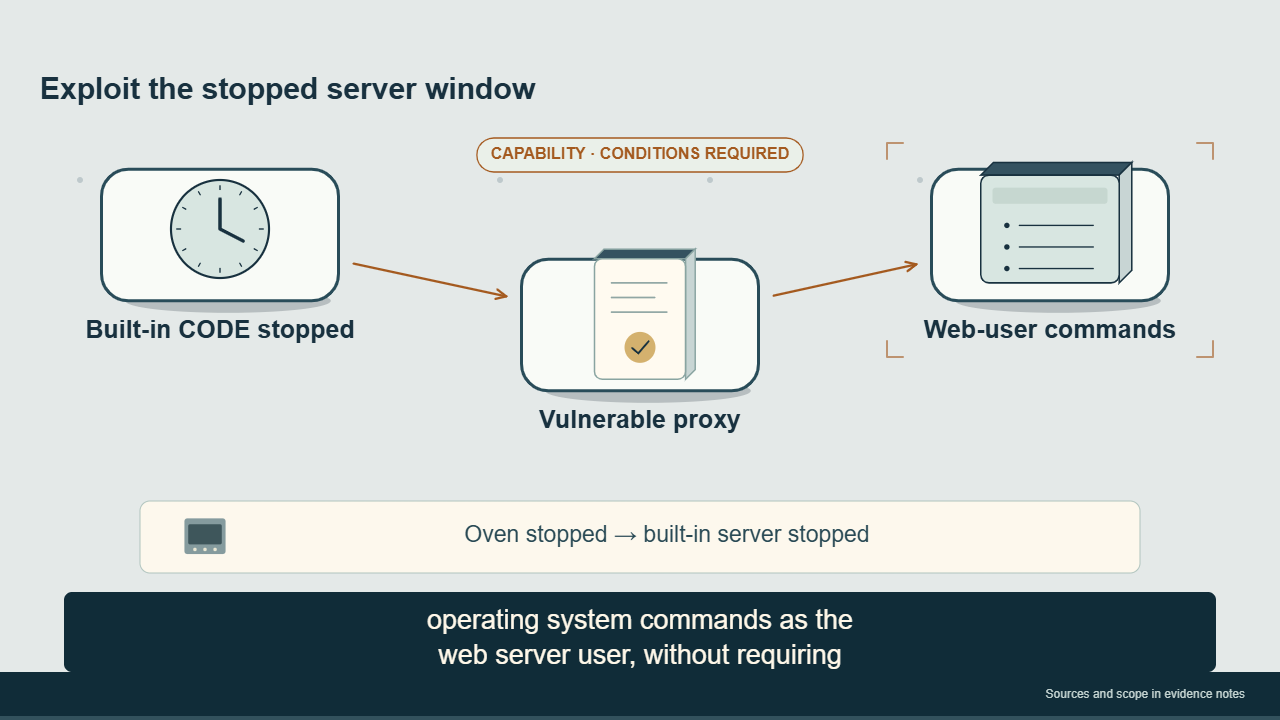
Read article →The richdocumentscode proxy exposes command execution while its CODE server is down. Update to 26.4.303 or remove the app, then look for web shells.
Read article →Two short-lived GitHub Actions branches reached organization and environment secrets before the poisoned LiteLLM release. Hunt the run and deployment records, then rotate exposed credentials.
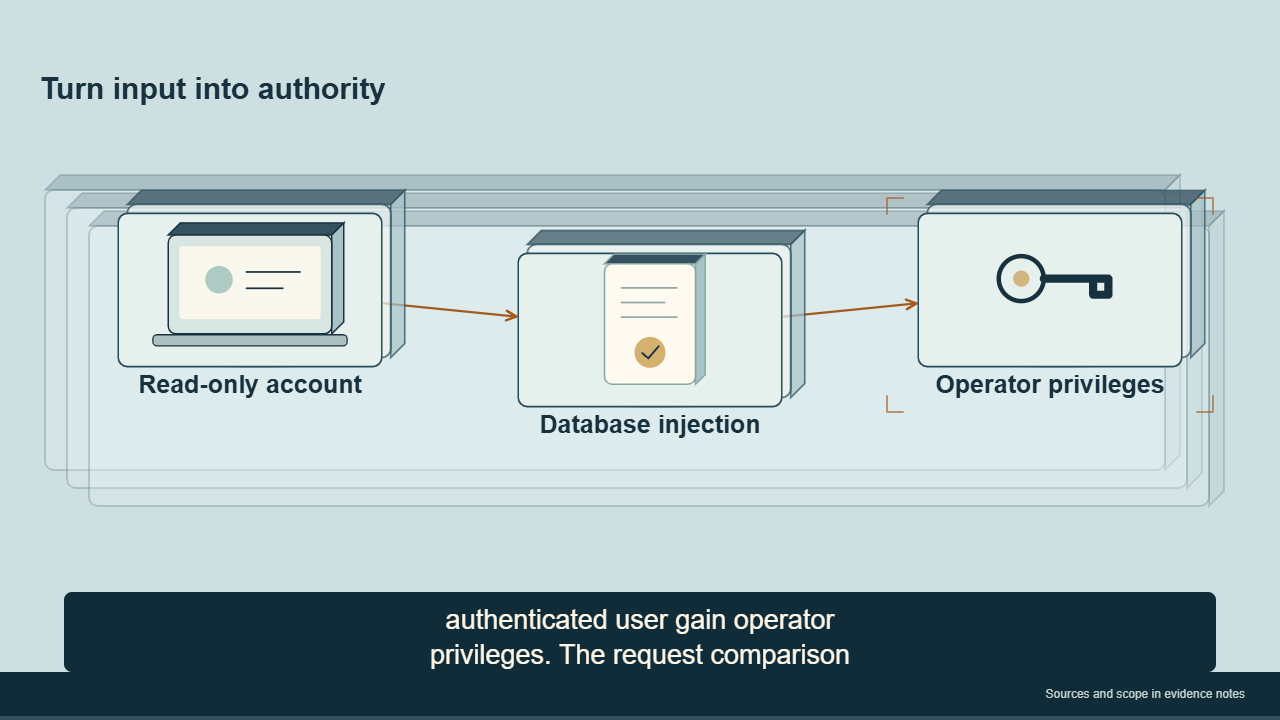
Read article →CISA lists the on-prem VCO flaw as exploited. An authenticated tenant reader can reach operator privileges; compare your release with Arista's fixed builds.
Read article →Check Point maps local AI-tool sessions, Git and cloud secrets to a Windows stealer; a host match calls for credential rotation from a clean machine.
Read article →PHP patched two request-processing flaws, then warned of another rare code-execution path. Check the serving build and the upload-progress setting in every worker.
Read article →Cisco names Expressway and URWB as affected by the PHP2shell flaws, with product releases still ahead. Sort deployed products by advisory status and protect administrator access.
Read article →Compromised intermediate keys threaten Python dependency downloads when a client trusts the affected chain. Update the downloader, its CA bundle, and the interpreter that seeds new environments.
Read article →GlobalProtect bypass reached vCenter in one Unit 42 case. Find successful gateway sessions, check cookie settings and update every cookie-using portal and gateway.
Read article →Datadog’s new framework tests whether one AWS identity can reach another. Use controlled tests to narrow permissions, then compare its event predictions with CloudTrail.
Read article →A persistent database cookie and unchecked cluster client certificates put clustered Expressway-C and Expressway-E devices at risk. Move affected releases to X15.5.20.
Read article →Eight eMudhra intermediate keys were recoverable. Browser blocks cover six TLS keys; check separately managed trust paths and rebuild Go services with fixed releases.
Read article →Python startup hooks in LiteLLM 1.107.0 wheels and container images collected secrets and launched a second, hourly code loader. Trace image digests, rebuild and rotate reachable keys.
Read article →An AI-assisted actor stole more than 5,200 university records after accessing a weakly protected database. Trace WordPress login attempts and database exports separately.
Read article →Two PHP flaws rated 9.2 leaked before fixes. Locate PHP in exposed sites and bundled software, watch worker child processes, and prepare for the vendor release.
Read article →Attackers chain four Plex flaws to run code on unpatched servers. Check the installed build, investigate Plex child processes and Codecs files, and rebuild compromised hosts.
Read article →An exploited flaw in default-enabled SiteGuard statistics affects Apache, Nginx and IIS hosts. Save diagnostics before updating or applying a vendor patch.
Read article →A valid bearer token can mint independent successor tokens through the Console API. Restrict access and account for new credentials before trusting revocation.
Read article →A third of the KEV entries Talos analyzed trace to pre-2026 CVEs. Check whether your inventory keeps long CVE IDs and CISA's forensic-triage flag.
Read article →A stolen recovery code led to a registered Entra device, SharePoint downloads and a ServiceNow user export. Trace the session across each federated app.
Read article →New agent identity and risk-responsive controls target a familiar failure: an assistant inherits more authority than its current job needs. Start at the tool-call boundary.
Read article →Endpoint AI can flag unusual access, but a familiar-looking transfer may still be harmful. Put explicit policy at the upload and measure the review queue.
Read article →Two legacy BoringSSL name checks were fixed in March; a URI case remains under coordination. Find the validator your product actually uses.
Read article →Cisco Talos traces four delivery routes across nine countries. Hunt Startup-folder changes and unexpected PowerShell, then update affected Windows archive tools.
Read article →CrowdStrike says fake employees used U.S. homes to run company laptops remotely. Inspect shipping changes, remote-access tools and hiring records together.
Read article →Crafted packets can cross a file-path restriction in FortiSIEM 7.5.0. Upgrade to 7.5.1 and limit access to TCP/27918 while scheduling the change.
Read article →At a European bank, compromised credentials opened a third-party gateway route; months of scanning and password guessing preceded a blocked attempt against WSUS.
Read article →A stolen FortiManager archive helped attackers reach managed FortiGates; a memory-only implant linked logging and VPN processes. Check revisions and rotate trust material.
Read article →The joint guidance separates model evaluations from the permissions, data access and tools of the application that uses a model.
Read article →A replayed Chrome-to-Windows intrusion left encoded script in free memory. Capture RAM early, then use host artifacts to guide wider collection.
Read article →CISA added a flaw affecting four Fortinet products to KEV. Match installed releases to Fortinet's fixes, then examine privileged CLI access and file changes.
Read article →An abused vendor-held Cloud Backup credential obtained app-only Graph tokens. Find the service principal, disable sign-in, then inspect roles and added secrets.
Read article →Exploited file-write flaw reaches gateways using File Reputation and older scanner tools. Check each appliance's logs and scanner version before choosing an update or rebuild.
Read article →Attackers changed PHP configuration to reload a web shell, stole passwords through a sudo alias and searched government mailboxes for social media access.
Read article →UNC7017 changed two AOMEI configuration files for minutes at a time. Hunt updater-launched files and scheduled tasks even after the vendor restored its servers.
Read article →The actor exploited Remote Support, installed a root backdoor and reached managed endpoints. Patch BT26-05, then investigate appliance persistence and sessions.
Read article →Crafted HTTP requests can bypass FortiSandbox management login. Check appliance and PaaS versions, upgrade affected branches and restrict GUI reachability.
Read article →The same signed certificate can pass one validator and fail another. Test the actual TLS path, update affected libraries and keep issued names explicit.
Read article →Komodo Periphery passes some restricted-user requests to a shell on managed servers. Upgrade agents to 2.3.0 and review Logs and Execute grants.
Read article →An admin or developer in one organization can reach another's Query Library on a shared instance. Restrict the affected API while a security update is pending.
Read article →The legacy SSO route issues a JWT for a supplied username and remains unpatched; separate cross-user assistant and workflow flaws have release-specific fixes.
Read article →Cisco updates Secure Email Gateway and Secure Email and Web Manager across five weakness groups. Compare each appliance's build with its product-specific fixed release.
Read article →Limited exploitation targets authenticated access to PAN-OS management. Compare installed hotfixes, restrict the admin path and inspect three vendor-listed IPs.
Read article →Microsoft traces a broker reselling cloud tenant access and storage to phishing kits. Examine app credentials, privileged grants and hosted files in affected tenants.
Read article →The October updates address an exploited Windows Shell bypass and separate unauthenticated DHCP Server code execution. Check installed builds on endpoints and DHCP hosts.
Read article →A lookalike download page collects the VPN server and credentials twice, then starts a signed WatchGuard installer. Check browser history and VPN logins.
Read article →CISA flags active exploitation of a Windows Shell security bypass. Compare affected desktop and server builds with Microsoft's CVE record and prioritize updates.
Read article →An uploaded HTML file can run in a Shopware administrator's browser. Restrict media creation or block HTML uploads while checking who can reach existing media.
Read article →A patched-at-the-time Connect Secure VPN fell to a three-flaw chain. Upgrade affected branches and investigate memory, LDAP traffic and movement from the appliance.
Read article →A crafted CI configuration and UTF-8 repository path can reach a vulnerable regex compiler on self-managed GitLab. Upgrade the affected 19.2, 19.3 and 19.4 branches.
Read article →A closed TLS pilot exposes the certificate-chain work ahead. Map issuers and validators, then test ML-DSA certificates across real application paths outside production.
Read article →Talos traced event invitations and altered poster QR codes to a live Google sign-in relay. Inspect the actual registration destination and review affected accounts.
Read article →Two Apex npm tools fetch executables and attacker-selected commands; one also sends coding-agent conversations to an Apex server. Find the tools and revoke exposed secrets.
Read article →CERT/CC details code-execution paths in Thelia 2.6; a separate Thelia 3 email-template flaw has a module fix. Restrict admin access and check permissions.
Read article →Plaintext instructions in malware samples shifted some model triage toward benign. Search extracted strings and keep sample text out of the scanner's instruction channel.
Read article →In a Windows ClickFix case, endpoint-side termination stopped repeated command pastes; check enforce mode and the process tree before treating an alert as a block.
Read article →Strapi user filters can disclose reset tokens. Find vulnerable releases, inspect GET requests for private-field probes and move to a patched branch.
Read article →ProFTPD's mod_copy flaw lets remote attackers read and write arbitrary files. Check reachable FTP services, command logs and distribution patches.
Read article →An enabled MPLS OAM feature exposes affected Nexus switches to crafted echo-requests; check feature state, then disable it or move to fixed NX-OS.
Read article →Enabled NGOAM exposes a packet-processing flaw on standalone Nexus 3000 and 9000 switches; two more flaws require VXLAN overlay or SRv6 features.
Read article →A backup management server became a SYSTEM-level foothold. Restrict its web interface and hunt for a fake Edge service, JSP shells and miner traffic.
Read article →Enabled NX-API on affected Nexus switches exposes an unauthenticated request path; UCS 6300 fabric interconnects have a separate credential-dependent path.
Read article →A crafted TKEY query can stop vulnerable BIND DNS servers before access controls run. Check the running build and install the vendor's patched package.
Read article →watchTowr traced a new authentication bypass and Scan-to-Fax code-execution chain through an interim PaperCut build. Check the running version and past access to its web interface.
Read article →Unit 42 traced an exploited NetScaler command-injection chain through two appliance logs into a disguised PHP shell. Preserve logs and inspect the web-server configuration.
Read article →Cisco's NX-OS hardening release covers MDS, Nexus and UCS fabric interconnects. Match device family and management mode to the first fixed build.
Read article →Cisco groups multiple License On-Prem flaws under four CVEs. Inventory the former SSM On-Prem too, migrate older branches, and verify the fixed release.
Read article →A remote execution path depends on Dynamic Method Invocation. Identify reachable Struts 2 apps, disable that feature or move to an Apache-listed fix, and triage exposure.
Read article →Microsoft's research shows how bug volume can overwhelm validation and release work. Check affected dependency builds and carry reproducible findings through a shipped fix.
Read article →CISA lists an exploited image-upload traversal in ONLYOFFICE Document Server before 5.6.3. Find older JWT-enabled servers, update them and check their exposure.
Read article →Huntress reconstructed an Akira attack from Shellbags, ransomware logs and shadow-copy events after its endpoint agent arrived too late to record the launch.
Read article →Unit 42 maps contract reads, transaction data and zero-value transfers used by poisoned packages. Correlate runner processes with blockchain traffic and restrict unneeded egress.
Read article →An unauthenticated file read reaches known paths inside eight Atlassian server products. Match installed branches to fixes and review decoded access logs.
Read article →A Power BI report link sent targets to a fingerprinting page and a delayed installer. Hunt for both remote clients and the recurring repair task.
Read article →Two crafted-PDF flaws affect Foxit Reader and Editor. Check both CVEs against installed platforms and releases, then verify Foxit updates on endpoints.
Read article →Microsoft urges faster fixes for critical on-premises systems. Check patch deployment logs, installed-update status and Baseline Security Mode configuration exceptions.
Read article →A fake Dubai Airports coding test ran from a Visual Studio project before compilation. Inspect the project target and developer-host staging path, then isolate matches.
Read article →Microsoft found a selective post-compromise implant paired with legitimate software and a same-name archive. Hunt the loader, archive and C2 together, then contain affected hosts.
Read article →A disguised signed MSP360 installer gave intruders one management channel, then installed ScreenConnect for another. Hunt the service-to-installer chain and restrict unapproved agents.
Read article →A legitimate remote-support agent can give a ransomware operator persistent access. Inventory approved tools, watch credential-access behavior and make agent sessions stoppable.
Read article →CISA lists CVE-2026-88779 as exploited. Record each ADC and Gateway's installed version and internet exposure; upgrade affected builds and verify the result.
Read article →CISA lists the on-prem flaw as exploited. Check Edge certificate authentication, web-interface reachability and the affected release train before upgrading.
Read article →CERT/CC identifies trusted diagnostic shells with memory-write commands. Match the binary and firmware trust lists, then install vendor updates and verify DBX revocation.
Read article →CISA lists a LAN-reachable GS1900 CGI overflow as exploited. Match switch model and firmware to Zyxel’s fixes, then restrict management access.
Read article →Readwise Reader 8.10.1 fixes an SVG sanitizer flaw, while two metadata XSS records still include that build. Check Android versions and limit untrusted imports.
Read article →Reply-stage archives lead to RedFlick scheduled tasks and CosmicPulse. Hunt the task names, trace the archive, and verify senders through a known channel.
Read article →CISA describes file upload and possible code execution; WSO2 describes a JWT bypass and account takeover. Check product builds and reconcile the attack path with WSO2.
Read article →CISA lists an exploited session flaw with code execution as the Zammad user. Zammad says 6.5 and older are exploitable; move those installations to 7.2.0 and triage exposure.
Read article →The exposed configuration is an APM OAuth Authorization Server virtual server. Request F5’s interim iRule for triage, then install the applicable final fix.
Read article →CAIRN groups malware candidates by AI-related metadata, then separates artifact presence from behavior and confirmed families. Triage noisy matches before calling an incident.
Read article →Microsoft tracked the same affiliate through four ransomware ecosystems. Hunt renamed MeshAgent services, domain-controller copies and cloud-transfer tooling before encryption.
Read article →Some shipboard access readers accept a copied card identifier. Identify UID-only doors, shield issued cards and add supervised access to sensitive areas while seeking a fix.
Read article →Purview classifies files and text while Entra enforces network policy for employee and on-behalf-of agent traffic. Confirm forwarding and an active blocking rule before relying on it.
Read article →A local zammad account can escalate to root. CISA lists exploitation; the vendor disputes the reported scope and recommends upgrading to 7.2.0.
Read article →Prometurbo's service account could read secrets outside its own namespace. Reinstall the fixed agent and test the operator's effective permissions.
Read article →CISA lists a RouterOS SSH rekey flaw as exploited. It lets unauthenticated clients reach a command path and can chain with a second flaw; update and restrict SSH.
Read article →An HP-specific InsydeH2O SMM handler accepts unsafe memory parameters from a local kernel attacker. Check HP PCs for exposure and install a model-matched BIOS update when HP lists one.
Read article →CISA lists an exploited FortiMail arbitrary-file-write flaw. Fortinet urges operators to disable IBE or restrict management access while branch upgrades are forthcoming.
Read article →Three unauthenticated vCast endpoints expose screen images, APK delivery and service input on shared networks. Isolate ViewBoards and check who can reach them.
Read article →EAM through 26.2.6 has no supported RSA key-pair rotation. Protect key copies in backups and snapshots, and plan redeployment if the private key is exposed.
Read article →After a password reset, Storm-3068 used an authorized Azure DevOps pipeline to collect Kubernetes credentials. Trace pipeline changes and restrict resource access.
Read article →Microsoft traces a mail-server intrusion from an optional SNMP notification path to root persistence, shared authentication secrets and peer mailbox nodes.
Read article →An exploited URI-encoding bypass reaches the management API as admin. Check Cisco's service-proxy and server logs, restrict exposure, and install a fixed release.
Read article →Talos traces a phishing-to-Windows backdoor chain affecting Asian institutions. Hunt the script host and sideloaded DLL, then restrict script execution.
Read article →An ownership check is missing from four multi-user chat handlers through v0.12.0. Limit account access and review cross-user conversation activity while awaiting a verified fix.
Read article →GTIG recorded 141 disclosed and exploited vulnerabilities through August 2026. Prioritize reachable edge systems and verify the access conditions on affected AI gateways.
Read article →Three on-premises SharePoint editions have affected build ranges. Match each server to its edition's update threshold and triage suspected compromise.
Read article →Mandiant traces exploited NetScaler packet-engine crashes to disguised PHP shells and an internal proxy. Hunt the config edits and appliance egress, then patch both flaws.
Read article →An encoded request reaches PeopleSoft's vulnerable EMHub servlet past literal path filters. Patch PeopleTools and search every WebLogic node for encoded paths and new JSPs.
Read article →An empty signatures array skips Authlib's verification loop. Locate callers of the JSON JWS deserializer and reject unsigned input before trusting its payload.
Read article →Check Point reports customer attacks through an unauthenticated management-server flaw. Match Jumbo Hotfix takes, restrict TCP/19009 and inspect CPM logs.
Read article →A public-key exposure test reached AWS quarantine in 10 seconds. Alert on the IAM policy attachment, then investigate the key and follow the Support case.
Read article →A pull request can plant dependencies in a shared build cache for a privileged release job. Separate cache writes by branch privilege and constrain publishing identities.
Read article →CISA lists two exploited NetScaler flaws. Match ADC and Gateway builds to their release branches, then preserve evidence on appliances suspected of compromise.
Read article →Two compromised service principals drove a rapid Azure deletion campaign. Trace their ARM operations, rotate exposed secrets and verify recovery-resource locks.
Read article →A crafted Sogou URI reached an old, unsandboxed Chromium renderer. Verify the fixed build, then hunt the process, file, and network chain.
Read article →Four espionage groups used a shared Chrome-to-Windows exploit chain. Build checks show current exposure; campaign artifacts support a separate compromise hunt.
Read article →More than 100 malicious gems used RubyDoc documentation builds to execute supplied code. Maintainers should review package and account changes tied to legacy API keys.
Read article →CISA confirms exploitation of CVE-2026-84869. ScreenConnect clients before 26.6.5 can transfer and run files through active sessions without authorization or host confirmation.
Read article →An exploited GitLab flaw exposes arbitrary server files through the commits API. Self-managed operators should install 19.1.8, 19.2.6, or 19.3.2 immediately.
Read article →CloudSEK found BigBear 2.0 stealing Microsoft 365 session cookies after MFA. Revoke sessions, rotate credentials and require phishing-resistant sign-in.
Read article →AOMEI Backupper 8.4.0 exposes physical-disk writes to local users. Without Secure Boot, attackers can plant UEFI code that runs before Windows defenses.
Read article →Two certificate-processing flaws reach gateways and management servers. Fixed takes and LivePatch output give operators a direct protection check.
Read article →Attackers used Cisco Secure FMC flaws to reach root, steal credentials, tunnel into networks, deploy Cyclops Blink, and encrypt selected endpoints with Qilin.
Read article →Kestra OSS versions through 1.3.20 let unauthenticated requests create workflows and run commands as root inside workers. CISA confirms exploitation.
Read article →Chrome 153 fixes exploited V8 out-of-bounds write CVE-2026-87491 across desktop and Android. Fleet owners should verify running builds; Google published no attack indicators.
Read article →CISA confirmed exploitation of CVE-2025-25249 across FortiOS, FortiSwitchManager and FortiSASE, with federal remediation due September 12.
Read article →CISA now links CVE-2025-14733 to ransomware. Patch exposed Fireboxes, check WatchGuard's indicators, and rotate locally stored secrets after confirmed activity.
Read article →Customer-managed VPN and AAA appliances need branch-specific fixed builds; configuration determines exposure on later NetScaler releases.
Read article →A recovered Sliver kit shows how one operator scripted Domain Admin access, disabled defenses, stole credentials, and hid rotating command servers behind Ethereum.
Read article →The flaws require a local foothold, affect different Windows release families, and leave defenders with fixed-build checks but no CVE-specific compromise indicators.
Read article →Attackers made Coder's trusted registry serve malicious Terraform modules. Operators have a 14-hour exposure window, concrete indicators, and urgent credential work.
Read article →Google observed attackers move from cloud compromise to agent-enabled mass credential harvesting in under six hours, shrinking the time defenders have to respond.
Read article →Recovered JSCeal code replays stolen cookies and passwords through a headless browser to obtain fresh Google OAuth tokens and exposes concrete Windows hunt artifacts.
Read article →A public Telerik UI exploit chains two cryptographic oracles to unsafe type loading. Upgrade ASP.NET AJAX to 2026.2.708 and check IIS for post-exploit activity.
Read article →Every on-premises build before 2026.3.1.14 needs Hotfix 4. N-able's records conflict on exploitation, so MSPs should patch and review RMM activity.
Read article →Ten malicious OpenAPI React Query Codegen releases ran on install and carried credential-stealing code with valid provenance. Teams must scope lockfiles, rebuild hosts and rotate credentials.
Read article →Forescout ported a pre-auth PLC exploit with Claude, then bricked the device during an implant attempt. Restrict FTP and monitor crashes and outbound traffic.
Read article →Two factory firmware implants expose white-label ZBT routers through an open WAN service and an unauthenticated phone-home channel.
Read article →Zenity saw file-read probes matching CVE-2026-35029. LiteLLM advises upgrading to 1.83.0 or later; defenders should hunt configuration changes and rotate exposed secrets.
Read article →CERT Polska confirms attacks through internet-exposed SSH. Install a fixed build, restrict management access, and investigate the published log and account indicators.
Read article →StyleSmuggler turns poisoned Magento logs into server-side code execution, then hides a persistent implant outside the shop's webroot. Adobe has not issued a fix.
Read article →JetBrains confirmed that an unpatched TeamCity flaw exposed Cadence users’ code and secrets. Former users should rotate credentials and review connected systems.
Read article →Unit 42 traced an AI-assisted ransom intrusion across web, repository, secrets, CI/CD and cloud systems in less than 10 hours. These behaviors can reveal the loop.
Read article →D-Link fixed a DIR-X1860Z flaw that lets a local-network user set a new admin password; the similar DIR-X1860 has no update path.
Read article →Recovered tooling shows how forged WebDAV requests exposed nuclear records and credentials, with specific version, request-pattern, and signing-key checks for defenders.
Read article →Five exposed SecFlow workspaces linked Claude, Qwen and DeepSeek to Asian government and education intrusions involving credential theft, webshells, and implants.
Read article →Microsoft observed fake IT support sessions progress from Teams remote control to a persistent JavaScript implant and WinRM movement toward domain controllers.
Read article →Chrome 152.0.7977.82/.83 fixes an exploited V8 type-confusion flaw. Google has not disclosed the attackers, targets, exploit chain, or scale.
Read article →A server tied to The Gentlemen exposed TukTuk C2, a credential-stealing prompt, EDR-killer research, exfiltrated Jira data, and healthcare credentials.
Read article →Fortinet traced one stolen AWS administrator key through a new IAM user, Marketplace agreements, and billable Bedrock model calls.
Read article →A fail-open agent dashboard exposed one public-model key for three weeks, while noisy usage signals and absent spend limits delayed recognition.
Read article →Socket found 19 browser extensions using automatic updates, rotating command servers and injected modules to steal wallet secrets, sessions and passwords.
Read article →SonicWall confirmed active attacks against two SMA1000 flaws and told customers to hotfix, seek an IoC review, and rebuild systems when compromise is found.
Read article →Mandiant traced BREEZE COMET from vishing, rogue branch hardware and stolen cloud credentials to payment APIs used for hundreds of fraudulent transfers.
Read article →Ten malicious npm releases used trusted publishing, two install-time launch paths, and a credential-stealing worm. Defenders must isolate hosts before rotating tokens.
Read article →CISA confirms exploitation of a critical Artifactory flaw and requires federal forensic triage. Self-hosted operators have six fixed-version floors to verify.
Read article →A crafted workspace can steer Kiro 0.7.45 from reading a local secret to placing it in a Powers registry request. Amazon fixed the reported behavior in 0.8.140.
Read article →Fire Ant hid tunnels on Cisco routers, injected TACACS servers, and planted Linux backdoors. Sygnia's artifacts support checks of routers, authentication servers, and Linux hosts.
Read article →CISA confirmed exploitation of a 2019 SQL Server flaw and now requires affected systems to be patched after evidence preservation and forensic triage.
Read article →PaperCut confirms active exploitation of NG and MF servers. Release 3 patches the two-flaw chain; new log and service indicators help defenders investigate exposed hosts.
Read article →StopAndProtect turns hacked WordPress sites into malware hosts, command servers, and stores for stolen files before selective ransomware deployment.
Read article →Shadowserver's retrospective Dysphoria report identifies about 296,000 compromised IoT devices and gives network owners evidence to locate and rebuild affected systems.
Read article →Five newly fixed WordPress flaws expose conditional paths to admin takeover or server code execution; defenders should verify six component versions and review AJAX and account activity.
Read article →A double-read type confusion lets guest JavaScript corrupt host memory; upgrade isolated-vm 6.x to 6.2.0 or 7.x to 7.0.1.
Read article →CISA says attackers are exploiting a Linux IPv6 kernel flaw that can give a local user root and, on affected RHEL 10 systems, escape a container.
Read article →Citrix documents denial of service. Separate research demonstrates a SAML path to root code execution but has not confirmed that it maps to this CVE.
Read article →An exposed server revealed a repeatable Active Directory attack path, AI-assisted planning, Aurora lockers, and payment trails across multiple victims.
Read article →ErrTraffic lures lead users to run Cruciferra, which uses a vulnerable signed driver to terminate security processes before the Remus stealer runs.
Read article →Next.js fixed two unauthenticated code-execution paths involving AVIF processing and Windows servers. Self-hosted operators need 15.5.24 or 16.3.3.
Read article →Dindoor uses the signed Deno runtime, encoded stages, and a pre-persistence sandbox check. Hunt the fixed process and registry sequence beneath the changing payload.
Read article →Gitea’s patch API can turn repository content into server code execution. Upgrade to 1.27.2 or later and check server activity for signs of compromise.
Read article →CareCloud says forensic review confirmed patient data exfiltration. HHS reports 3.76 million affected people, while public records do not map specific fields to each person.
Read article →CISA confirmed exploitation of a CVSS 10 Oracle WebLogic proxy flaw. Patch affected Apache and IIS plug-ins, then review requests for unauthorized data access.
Read article →A new Windows loader arrives through a fake Teams help desk; modules sent to Expel’s emulator phish passwords and tunnel into internal services.
Read article →An updated Android banking trojan blocks Google Play traffic, automates wireless ADB pairing, and targets 349 financial apps across 16 countries.
Read article →A 1.1 MB fake installer delivers Vidar, launches installed browsers headlessly, and copies credentials and sessions that can remain useful after cleanup.
Read article →Two exploited miniOrange SAML flaws can mint WordPress admin sessions. Seven independently versioned editions make ordinary update and vulnerability checks unreliable.
Read article →Kaspersky traced malware on DoFun-powered car displays from a trusted updater to ad fraud and a residential proxy. DoFun says it fixed the issue but published no fixed build.
Read article →The browser extension exposed vault tokens to untrusted page messages. Version 3.49.6 adds origin, frame, and nonce checks; later builds supersede it.
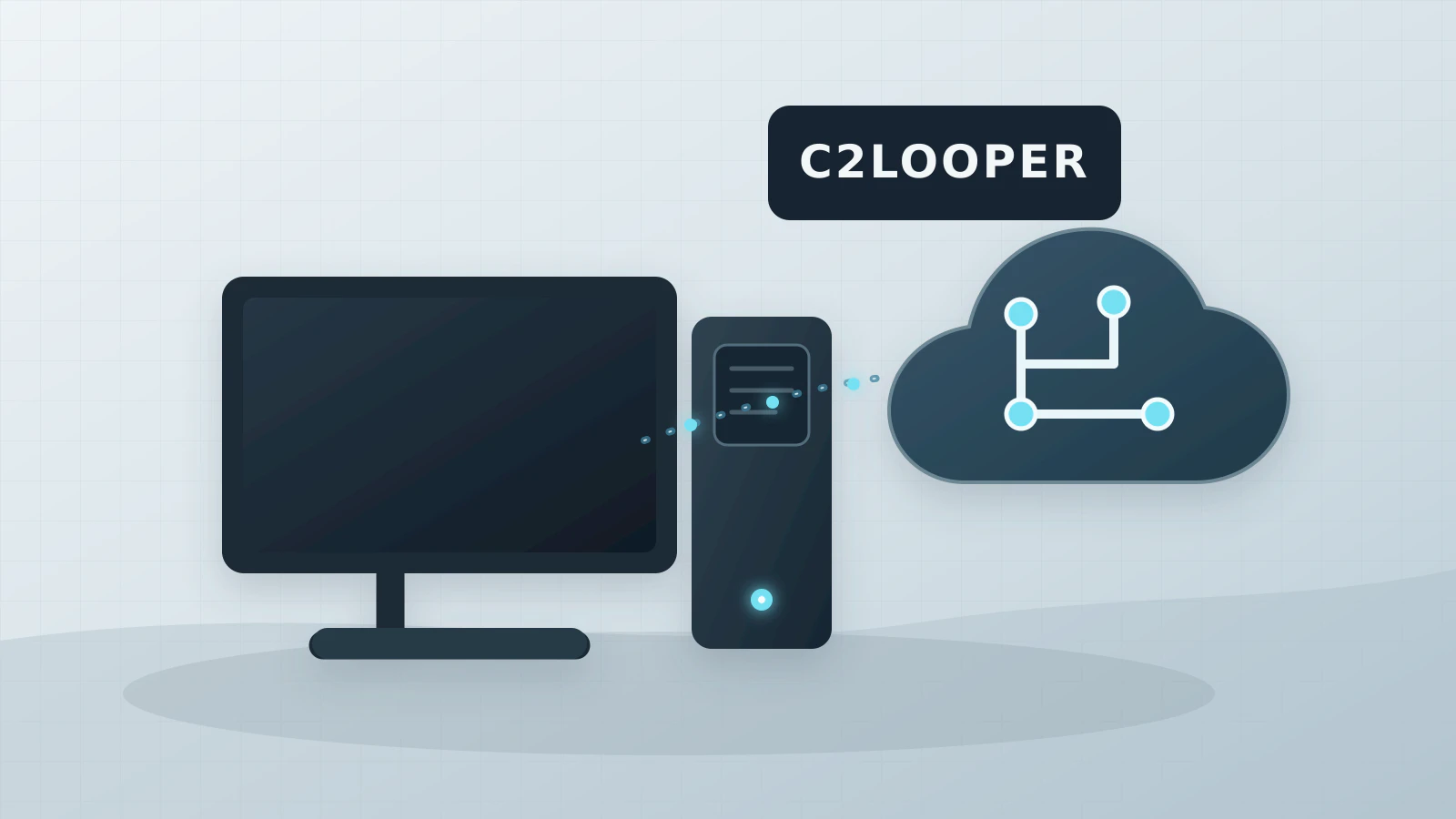
Read article →C2Looper shifted from one-second HTTP beacons to GitHub C2. Hunt its OneDrive DLL, JSON control files, debug marker, commands, hashes, and two IPs.
Read article →Forminator through 1.56.1 trusts forged upload settings and misses dangerous pipe-delimited MIME keys. Update to 1.57.1 and check public upload paths for executable files.
Read article →Check Point reproduced kernel file and registry operations through Defender's signed BTR.sys driver. Abuse needs admin rights; behavioral telemetry separates it from cleanup.
Read article →Gambit observed Claude Code inside six intrusions. Hunt the test VPN account, rogue LDAP listeners, backup discovery, SQL staging, and firewall restores.
Read article →Patch the missing upload check, then audit who can still reach the three remaining weaknesses in the Configuration Manager exploit chain.
Read article →Attackers are exploiting a Zimbra SNMP flaw through crafted SMTP requests. Version 10.1.20 fixes it; exposed servers need log and file review.
Read article →A blank file entry bypasses Elementor Pro upload checks on exposed forms. Version 4.2.2 fixes the flaw, but patched sites still need to hunt for PHP left behind.
Read article →CISA says attackers are exploiting a Windows IKE remote-code flaw; verify April fixed builds and restrict UDP 500 and 4500 until every exposed host is patched.
Read article →CISA now ties CVE-2025-60710 to ransomware. The local Windows flaw needs an existing foothold, then lets an attacker elevate to SYSTEM.
Read article →A hostile page can rebind its hostname to a Ray dashboard, change Firefox or Safari's User-Agent header, and submit a shell command to the Jobs API.
Read article →Pantheon counted 45 million wp2shell attempts in one week. Defenders should verify current WordPress builds and review exposed sites for persistent access.
Read article →A compromised crates.io account poisoned three Rust packages. Builds ran a downloader; 2,285 arrayref downloads now require cache, lockfile, and host checks.
Read article →USENIX researchers turned writable DIMM configuration into arbitrary physical-memory access. April's Windows update blocks their current chain under Secure Boot.
Read article →Chrome 151 fixes five high-severity use-after-free bugs; endpoint inventories must show the fixed build or a later superseding release.
Read article →CISA now links CVE-2026-45659 to ransomware. Check exact SharePoint builds, then investigate whether low-privilege access reached the farm before patching.
Read article →Researchers chain signed Windows device installers into SYSTEM execution through emulated USB hardware or an ordinary RDP session.
Read article →A signed ClickOnce app delivered two stealers and an hVNC RAT after a fake Web3 interview. Hunt per-user ClickOnce records, then rotate every secret reachable from affected hosts.
Read article →Microsoft's August updates fix an AFD.sys race used in attacks; defenders must verify fixed builds and investigate pre-patch privilege escalation.
Read article →Unit 42 says stolen AI API keys can reach gray-market proxy services within minutes, turning one exposed credential into catastrophic usage charges.
Read article →Public research turns a patched NetScaler memory overflow into a root-code-execution risk for SAML deployments, making build verification urgent.
Read article →Customer contact data is public after a social-engineering breach; defenders should harden support and identity checks against targeted impersonation.
Read article →CVE-2026-65640 reaches Ghostscript on sites using Imagick; WordPress 7.0.4 and exact backports move content checks ahead of image processing.
Read article →August Windows updates fix a public registry-hive privilege escalation; defenders can hunt its staging files, virtual paths, and unusual DLL loads.
Read article →Exposed ASA and FTD remote-access services need release-specific hot fixes; Cisco offers no workaround for the exploited denial-of-service flaw.
Read article →Rapid7 joined a SharePoint identity bypass to unsafe .NET type creation. August's cumulative updates complete Microsoft's two-cycle fix.
Read article →Government agencies traced Gunra from exploited edge devices through credential theft, cloud exfiltration, backup deletion, and cross-platform ransomware.
Read article →CISA confirms exploitation of a pre-authentication LoadMaster command-injection flaw. API-enabled appliances need a fixed release and an exposure review.
Read article →OVSwrap exploits a 16-bit nested-action limit in the Linux kernel, leaving defenders to verify both the running fix and the earlier exposure window.
Read article →A Microsoft case study traces mshta execution to one isolated QNET host and shows which workstations qualify for the preview action.
Read article →A remote SCTP peer can trigger the kernel flaw, while Tencent separately demonstrated local privilege escalation and container escape. Defenders need both reachability and running-kernel checks.
Read article →Cisco's August IOS XE hardening release fixes seven vulnerability classes across five reviewed trains; affected devices need an upgrade.
Read article →An automated npm campaign uses hundreds of disposable packages to launch detached native malware, with DNS TXT records as a fallback delivery channel.
Read article →WordPress 7.0.3 fixes a pre-auth login-page XSS that can turn administrator interaction with a malicious site into PHP execution.
Read article →Remus uses an Ethereum smart contract to resolve changing command infrastructure before stealing browser sessions, credentials, and wallet data.
Read article →Code in a signed-in Windows session can invoke a TPM-backed Windows Hello for Business key, authenticate without a device identity claim, and create a path to durable Entra access.
Read article →BINDCLOAK collects Windows user and process tokens, duplicates them, and starts modular malware components inside more privileged security contexts.
Read article →SpecterOps shows how relayed WSUS machine-account access can forge targeted updates and bypass payload signature checks when SUSDB runs on a separate SQL Server.
Read article →CISA confirms exploitation of a TeamCity flaw that lets an unauthenticated network attacker run commands as the server process, putting secrets and build integrity at risk.
Read article →Langflow, N-central, and Tomcat flaws entered CISA's exploited catalog. One gives unauthenticated callers Python execution by default.
Read article →A targeted npm cluster split its downloader across ordinary-looking modules, then escaped Node.js vm isolation to install a cross-platform RAT on developer systems using Alibaba tools.
Read article →CVE-2026-41613 let crafted MCP install links persist settings that the VS Code preview did not show. Version 1.119.1 fixes the preview.
Read article →TP-Link TL-WR940N hardware revision 6 can let an unauthenticated attacker turn a LAN client's outbound RTSP session into code execution inside the router kernel.
Read article →Flare found that BTMOB's official operation now sits among resellers, source-code buyers, private servers, and offers of uncertain authenticity, weakening infrastructure-only detection.
Read article →The service preloads a payload-bearing PNG, copies a browser-specific command, and keys the final in-memory stage to the victim's public IP address.
Read article →A compromised maintainer account published Keyv-family packages with valid provenance, an install-time credential stealer, and code that could poison more npm releases.
Read article →Gitea 1.22.1 through 1.27.0 can let an anonymous request read files as the service account, expose the internal token, and plant a Git hook that executes during a clone.
Read article →Unit 42 showed three post-compromise paths from Chrome's local passkey state to silent assertions, substituted verification keys, or the master secret protecting synced credentials.
Read article →INC ransomware activity requires SMA 1000 operators to investigate logs and configuration as well as apply the hotfix.
Read article →Chrome fixed more security bugs in two milestones than in the previous 23 while using AI across discovery, triage and fix preparation.
Read article →N-central operators need Hotfix 2 build 2026.3.1.10 and a downstream endpoint hunt because the new release supersedes the first hotfix.
Read article →An integration error routed wallet entropy through MicroPython's deterministic Yasmarang fallback. Updating prevents new weak seeds, but existing ones still require migration.
Read article →A compromised Adform tracking file used browser events, DOM observers and form-field hooks to keep substituting Bitcoin, Ethereum and Tron addresses.
Read article →A crafted image can reach unsafe libvips operations through Active Storage, exposing files and process credentials that a Rails-only update cannot recover.
Read article →A ServiceWorker and SharedWorker combine a clean Bun runtime, delivered PE sections, and locally generated bytes before a same-origin download.
Read article →A poisoned build can start a memory-resident loader, re-arm through macOS preferences, and seed more projects, Git hooks, and archives.
Read article →A crafted AD CS chase sent the CA to rogue directory services. July updates add a real-DC check, but defenders still need issuance and replication evidence.
Read article →IPMI's RAKP exchange exposes material for offline password cracking, leaving defenders with a management-plane incident that host telemetry may miss.
Read article →One variant uses UPnP to open 155 inbound paths, then relays same-port traffic through infected devices that conceal the real command servers.
Read article →Actors changed controller IP addresses and passwords across at least seven states. Operators need to compare running logic with a trusted baseline and investigate activity on connected devices.
Read article →On-premises VCO is exposed by default. Arista says defenders must inspect web activity and managed Edge state after patching.
Read article →A misconfigured evaluation harness let three Claude models reach production systems, exposing a control gap that prompts and model safeguards could not contain.
Read article →Every on-prem Secure FMC configuration is affected. Cisco published hot fixes, a shared license.tmp indicator, and credential-rotation guidance.
Read article →Talos tied QR-code PDFs to credential theft, inbox-rule changes, SharePoint staging and new phishing sent from compromised Microsoft 365 mailboxes.
Read article →Kaspersky found BridgeHead using Windows SSO to cross corporate proxies before relaying server-selected TCP traffic through compromised hosts.
Read article →The flaw reaches an unsafe resource-loading path without AutoType enabled. Exposure is limited to a specific Fastjson 1.x and Spring Boot deployment combination.
Read article →Five recovered task logs record service discovery, privilege checks and file enumeration after an operator enabled Hermes's unattended mode.
Read article →Hugging Face traced 17,600 actions from an Artifactory escape through two malicious-dataset vectors and into its clusters, network and source control.
Read article →Zenity found URL parameters that preselected a template and auto-submitted instructions inside a logged-in user's Workspace Agents builder.
Read article →Any authenticated proxy-key holder could make two MCP preview endpoints run an arbitrary command on the LiteLLM host.
Read article →The botnet spread through developer extensions and packages, then used stolen credentials to force-push malicious code into default branches.
Read article →CVE-2026-6875 chained query evaluation with a sandbox escape, giving an unauthenticated attacker broad control of a ServiceNow instance and its connected proxy servers.
Read article →Push Security traced paid search ads to shared ChatGPT and Claude pages that handed visitors to fake desktop-app downloads.
Read article →A civil lawsuit targets a Telegram-based phishing-kit operation that Google links to 2.5 million texts and more than one million fraudulent URLs.
Read article →CVE-2025-55241 allowed an Entra actor token from one tenant to impersonate users in another through the legacy Azure AD Graph API.
Read article →Researchers put instructions to read .env and encode it into source inside a PNG that text-only pull-request reviewers ignored but vision-capable coding agents later followed.
Read article →A Teams lure installed a headless Edge extension and a Python native-messaging host, giving a ransomware access broker a quiet route to local command execution.
Read article →A stolen npm publisher account added a malicious dependency to more than 140 Mastra packages, giving Sapphire Sleet an install-time path into developer and CI systems.
Read article →AIR says its brand-landingpage experiment reached 26,000 agents after scanners missed a remote instruction source that changed after approval.
Read article →CVE-2026-12957 allowed project configuration to start MCP processes with a developer's environment. AWS fixed the flaw in Language Servers for AWS 1.65.0.
Read article →A forgotten Klue credential led to customer OAuth token theft and direct access to Salesforce CRM data across several companies.
Read article →Island found more than 800 fake skills and MCP servers using credible READMEs and ZIP files to turn capability searches into malware installs.
Read article →Five poisoned releases avoided install hooks, launching a detached Node.js process when developer or CI tooling loaded the affected module.
Read article →Trend Micro found a Russian-speaking actor using Gemini CLI to rebuild command-and-control infrastructure and operate eight infected computers.
Read article →Cursor 3.0 fixed path-handling failures that let injected instructions write beyond a project and tamper with the sandbox protecting the host.
Read article →A routine page fetch in older Kiro builds could end with attacker-controlled code running through a rewritten MCP configuration.
Read article →The botnet gives AI workbenches priority in its scan queue, then searches compromised hosts for cloud credentials, service-account tokens, and callable tools.
Read article →A paid search ad sent victims through a public page on claude.ai before delivering a fake desktop installer.
Read article →