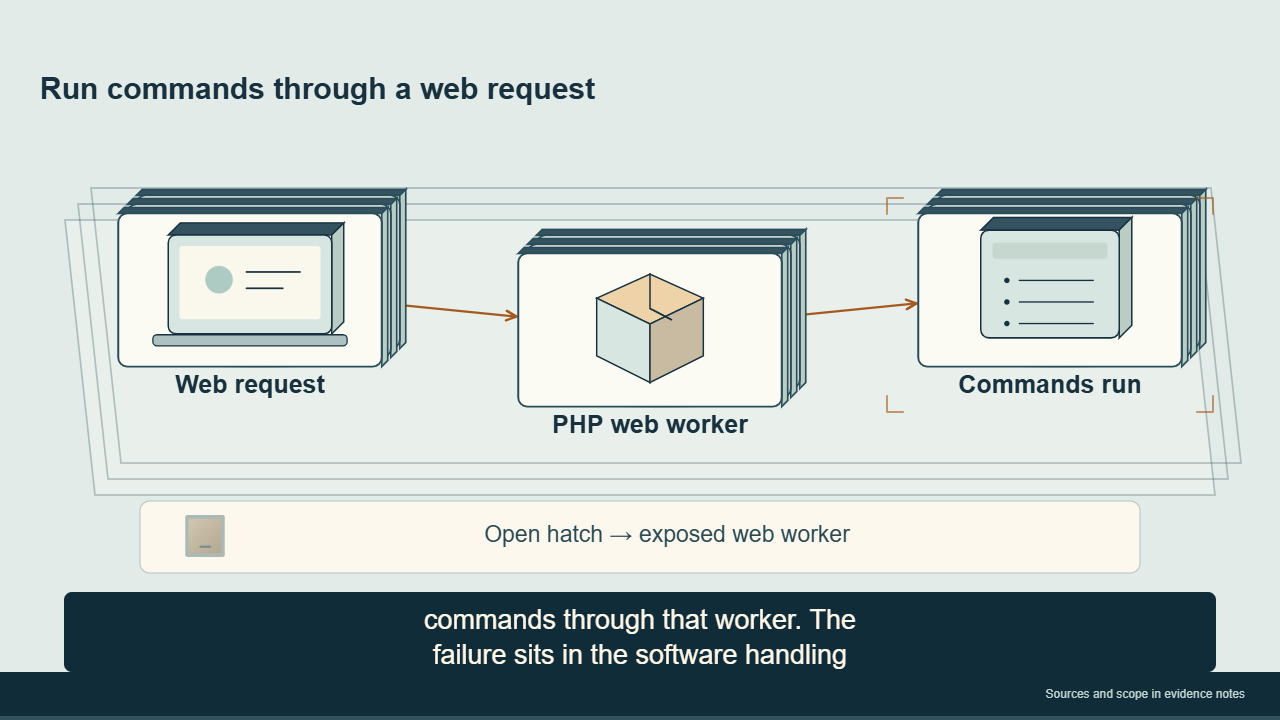
Unit 42 observed access to password hashes and MFA secrets after PHP exploitation. Patch the serving workers, then hunt their child processes and investigate credential access.
Two short-lived GitHub Actions branches reached organization and environment secrets before the poisoned LiteLLM release. Hunt the run and deployment records, then rotate exposed credentials.
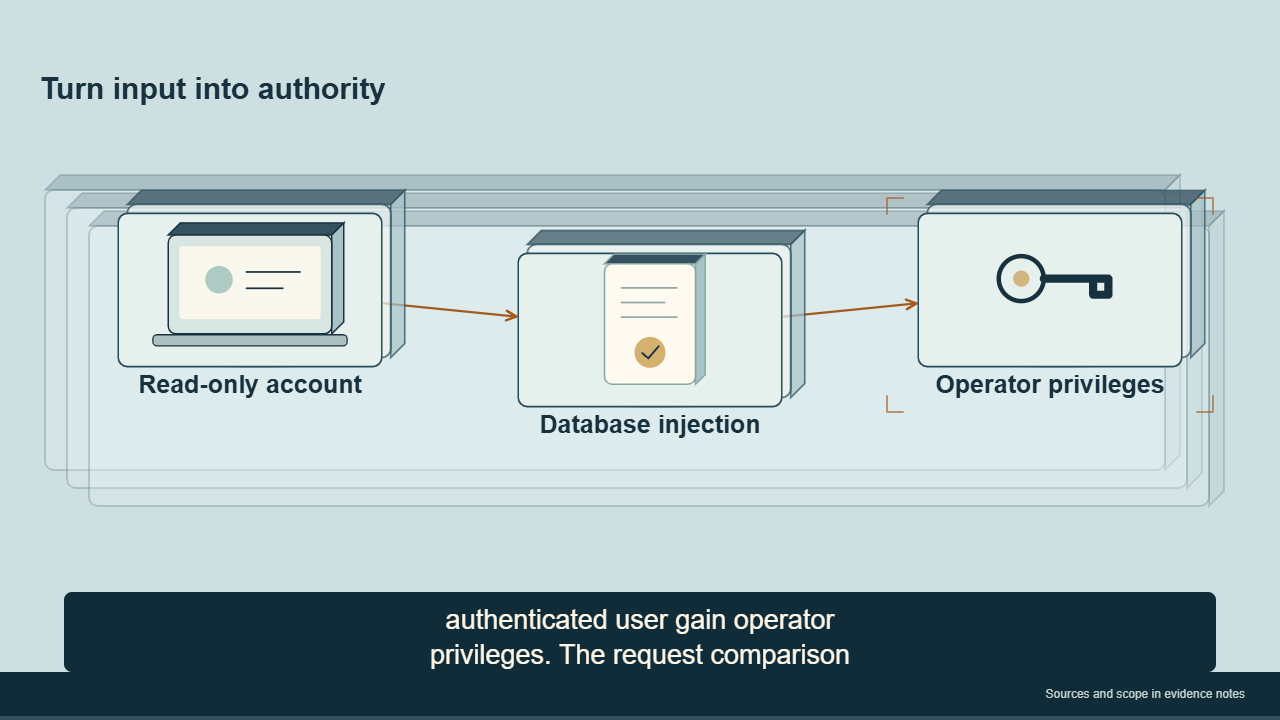
CISA lists the on-prem VCO flaw as exploited. An authenticated tenant reader can reach operator privileges; compare your release with Arista's fixed builds.
PHP patched two request-processing flaws, then warned of another rare code-execution path. Check the serving build and the upload-progress setting in every worker.
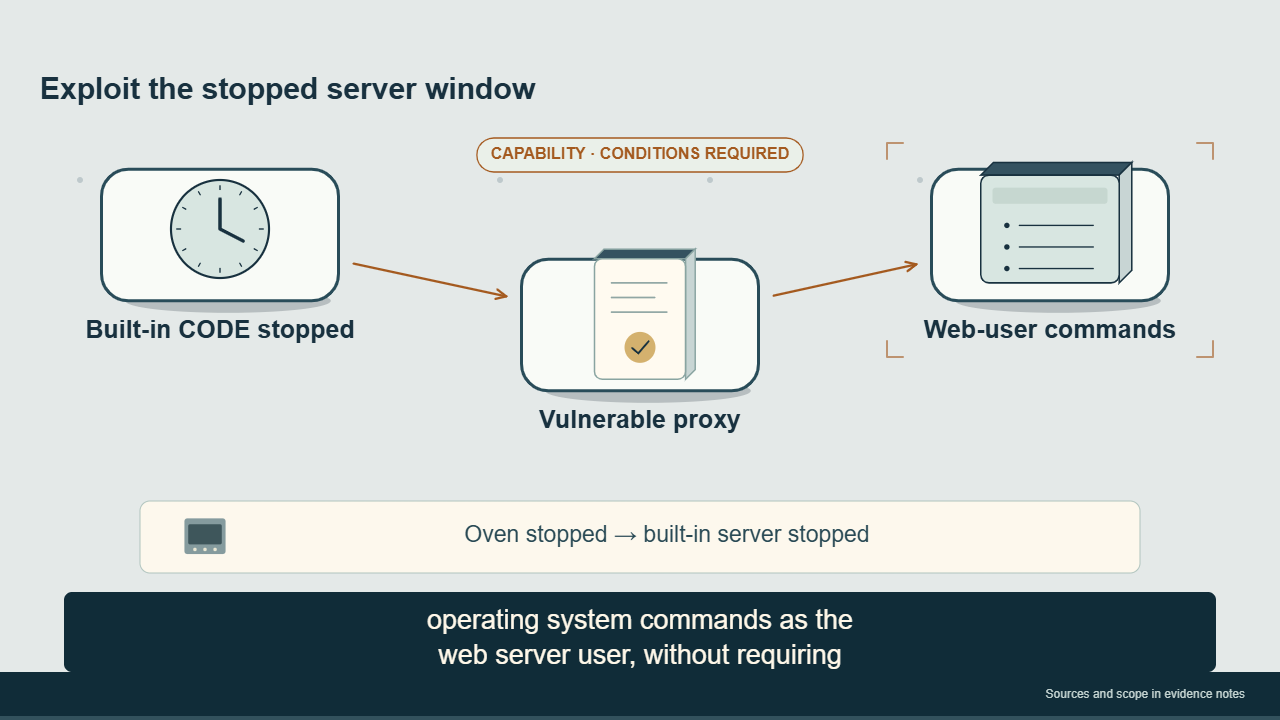
Cisco names Expressway and URWB as affected by the PHP2shell flaws, with product releases still ahead. Sort deployed products by advisory status and protect administrator access.
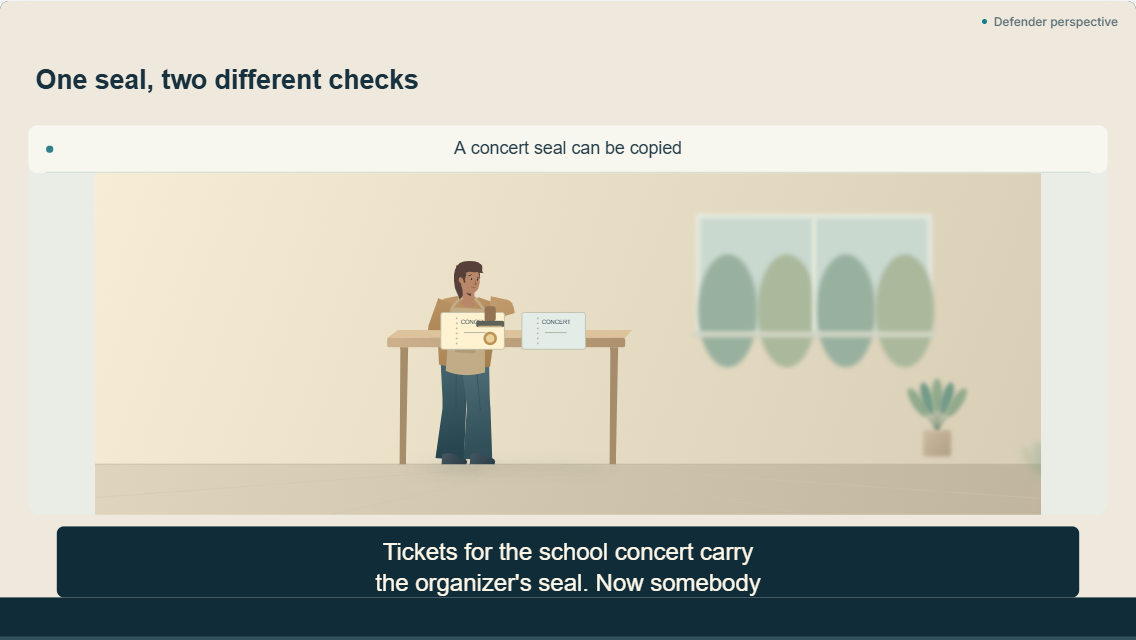
Compromised intermediate keys threaten Python dependency downloads when a client trusts the affected chain. Update the downloader, its CA bundle, and the interpreter that seeds new environments.
GlobalProtect bypass reached vCenter in one Unit 42 case. Find successful gateway sessions, check cookie settings and update every cookie-using portal and gateway.
Datadog’s new framework tests whether one AWS identity can reach another. Use controlled tests to narrow permissions, then compare its event predictions with CloudTrail.
A persistent database cookie and unchecked cluster client certificates put clustered Expressway-C and Expressway-E devices at risk. Move affected releases to X15.5.20.
Eight eMudhra intermediate keys were recoverable. Browser blocks cover six TLS keys; check separately managed trust paths and rebuild Go services with fixed releases.
An AI-assisted actor stole more than 5,200 university records after accessing a weakly protected database. Trace WordPress login attempts and database exports separately.
Two PHP flaws rated 9.2 leaked before fixes. Locate PHP in exposed sites and bundled software, watch worker child processes, and prepare for the vendor release.
Attackers chain four Plex flaws to run code on unpatched servers. Check the installed build, investigate Plex child processes and Codecs files, and rebuild compromised hosts.