Cisco Flags PHP Code-Execution Flaws in Expressway and Wireless Backhaul
Cisco names Expressway and URWB as affected by the PHP2shell flaws, with product releases still ahead. Sort deployed products by advisory status and protect administrator access.
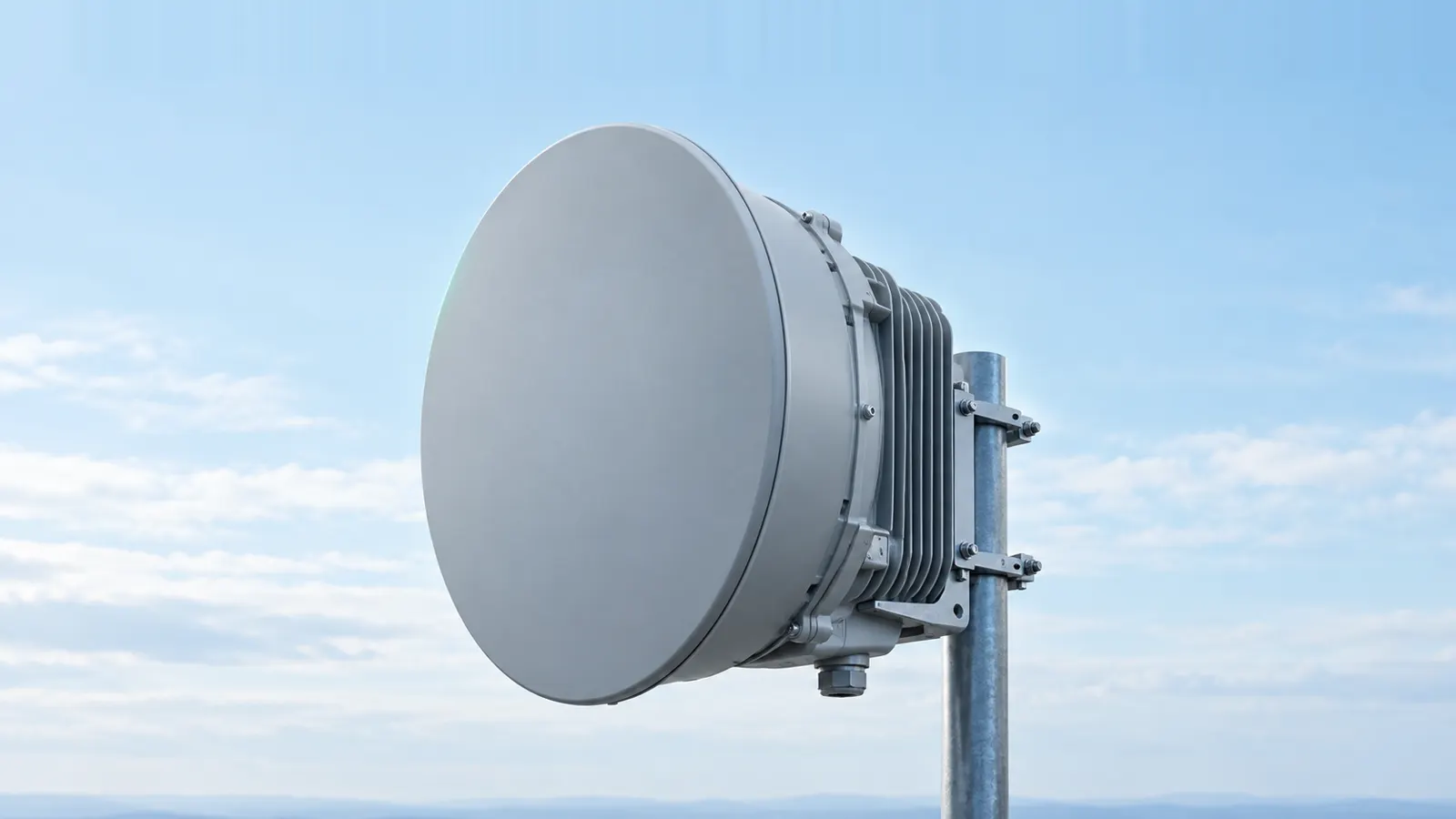
The Cisco PHP advisory, updated October 27 to version 1.8 Final lists URWB, Unified Industrial Wireless Software, Expressway Series, Expressway Select Series, Duo Access Gateway and ISE Portal Builder as vulnerable. ISE Portal Builder is offline for remediation; Unified Industrial Wireless Software shares URWB’s affected-product entry. Catalyst Center, Meraki Dashboard, SD-AVC and SD-AVC Cloud Connector are confirmed not vulnerable. These are the PHP2shell remote-code flaws, CVE-2026-109618 and CVE-2026-109619, so Cisco operators need a product inventory as well as an upstream PHP upgrade plan.
The unexpected constraint is in the wireless entry: Cisco says exploitation of URWB requires an account authenticated as an administrator, and assigns that product a 6.6 CVSS 3.1 score. The wider advisory remains Critical. Cisco’s assessment concerns its own products; the separate PHP security releases fix the language runtime. Cisco now lists product-specific fixed releases and points to its bugs for workarounds; verify downloads before assuming a listed fix is available.
Two paths through PHP request memory
PHP’s own record for CVE-2026-109618 describes an out-of-memory error that uses longjmp() to leave request handling. In certain contexts, an allocation follows with request memory in an uninitialized state, and cleanup may read or branch on it. The record says multiple out-of-memory strategies can trigger that condition and lead to remote code execution.
The record for CVE-2026-109619 describes a different request-lifetime problem. Temporary global pointers into request memory can survive after that memory has been freed; a later request can then read or branch on stale state before it is initialized. PHP credits Wiz, Ryan at Calif.io and OpenAI across the two records, with different roles for each. Both records rate the upstream flaws 9.2 under CVSS 4.0. That upstream rating and Cisco’s URWB-specific 6.6 describe different access conditions and scoring versions.
The PHP 8 changelog records both advisory fixes in 8.2.35, 8.3.36, 8.4.27 and 8.5.12, all dated October 22. Those are useful version targets for PHP instances an organization actually maintains. For Cisco appliances and services, use Cisco’s product-specific advisory and bug IDs to track the corresponding release.
Cisco’s three product lists
In the Cisco advisory, URWB and Unified Industrial Wireless Software map to bug CSCwx37073 and planned 27.1.1 in March 2027. Both Expressway lines map to CSCwx37062, with 15.5.21 listed as the fixed release but no availability date. Duo Access Gateway lists 3.2.0 as its fixed release. Check the bugs, release notes and download channels before treating any fix as available or installed.
Cisco’s final advisory lists ISE Portal Builder as vulnerable and offline for remediation; Unified Industrial Wireless Software is vulnerable with URWB. SD-AVC and SD-AVC Cloud Connector are confirmed not vulnerable. Keep ISE Portal Builder offline while arranging remediation, and track the wireless products against CSCwx37073 and the revised release estimate. Cisco’s confirmed not vulnerable list includes ISE itself, IOS XE, NX-OS, Secure Firewall, Catalyst Center, WAN Automation Engine, Meraki Dashboard and Meraki MX, among others. Distinguish ISE Portal Builder, now offline for remediation, from ISE itself, which Cisco has cleared.
Cisco now says product-specific workarounds exist for URWB and both Expressway lines; consult bugs CSCwx37073 and CSCwx37062 for actual instructions rather than assuming an upstream PHP setting protects a Cisco appliance. Its PSIRT says it is not aware of malicious use of the vulnerabilities described in this advisory. CISA separately added both upstream PHP CVEs to KEV on October 26; that does not establish exploitation of a Cisco product.
Reconcile deployments with Cisco’s advisory
Export your deployed Expressway Series, Expressway Select Series and URWB inventory with the installed software release and owner, then compare each product with bugs CSCwx37062 and CSCwx37073 in the current Cisco advisory. For URWB, review who holds administrator access and constrain that access while the product release is pending. That narrows the stated administrator-access prerequisite while you track Cisco’s product fix. For Expressway, keep its separate product bug, Cisco’s workaround and 15.5.21 fixed-release listing with the platform owner, especially if the same team is already addressing Expressway’s separate cluster issue.
Keep ISE Portal Builder offline for remediation; track Unified Industrial Wireless Software with URWB under CSCwx37073, and remove cleared SD-AVC, SD-AVC Cloud Connector, Catalyst Center and Meraki Dashboard from the pending queue. Cisco directs customers to its product bugs for fixed releases and platform-specific guidance, and to TAC or their maintenance provider when upgrade support is unclear. Keep the advisory version and an owner beside each tracked asset, so a change in product status reaches the team responsible for its update. When Cisco publishes a product fix, verify the installed build against its bug entry. If your team also runs PHP directly, verify those servers against the four October 22 PHP versions above; that runtime check answers a different ownership question from the Cisco appliance inventory.
Updates
- : Updated Cisco product scope: Duo is listed vulnerable, Catalyst Center and Meraki Dashboard cleared, with bug-specific URWB/Expressway workarounds.
- : Cisco’s October 27 final advisory moves ISE Portal Builder and Unified Industrial Wireless Software to vulnerable, clears both SD-AVC entries, and shifts the wireless fix estimate to March 2027; both upstream PHP CVEs are now in KEV.