Apple Patches iPhone and iPad Flaws Exposing Group Chats and Pairing
The iOS and iPadOS 27.2.1 release fixes nine issues, including unauthorized access to iMessage groups and Bluetooth pairing without user interaction. Check installed builds in managed fleets.
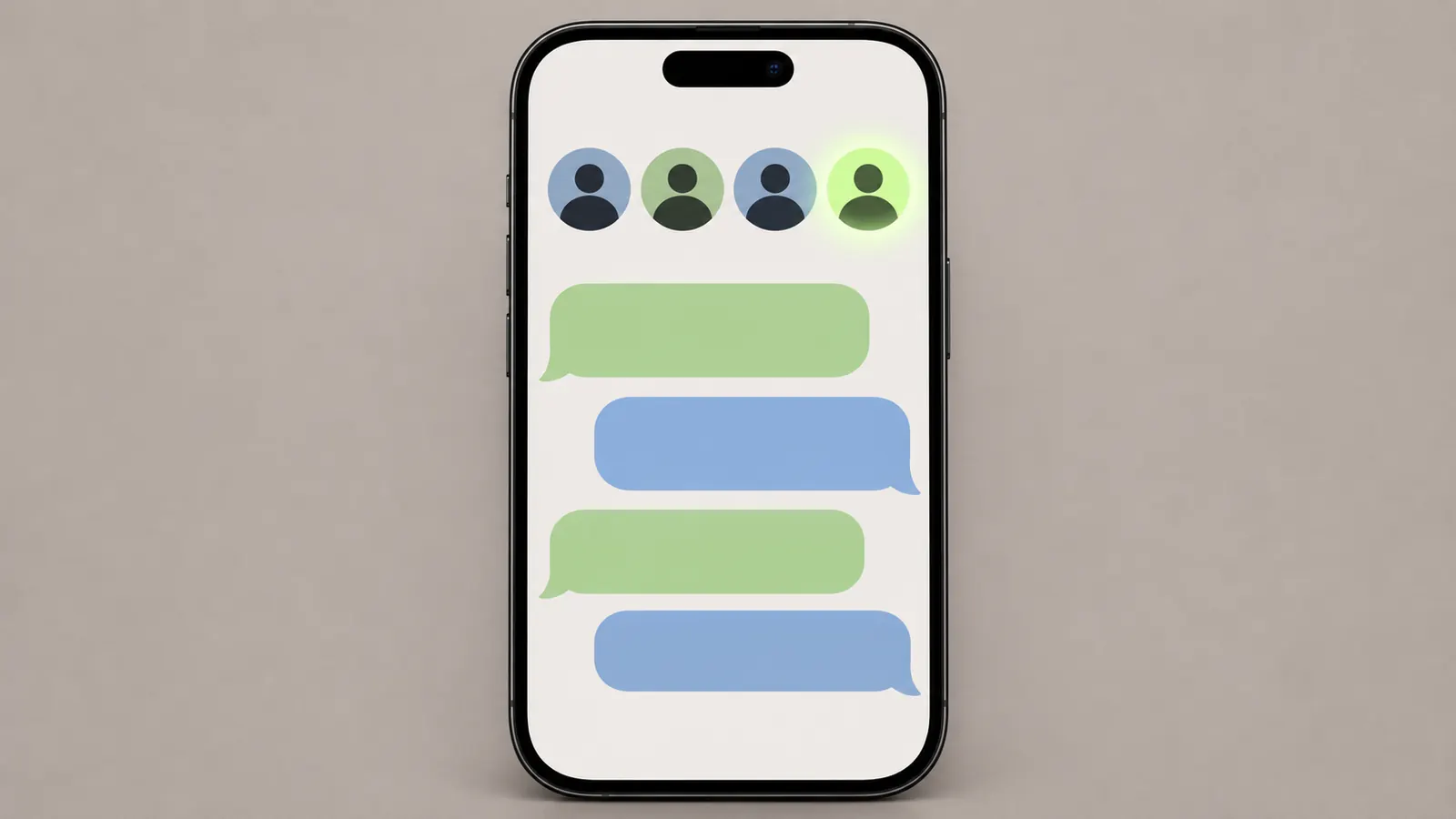
An outsider may be able to join an iMessage group chat and receive its messages through an authorization flaw Apple fixed in iOS and iPadOS 27.2.1. A separate flaw may let someone added to a group read messages from before they joined. Either flaw could expose customer or operational messages in staff group chats.
Apple’s November 9 security release covers nine issues on iPhone 11 and later and on the listed supported iPads. Bluetooth pairing bypasses are also in the release. Apple says: “A remote attacker may be able to join an iMessage group chat and receive its messages.” Check installed OS versions on managed devices after the rollout, including devices with an assigned update policy.
Messages has two access failures
The remote group-join issue, CVE-2026-113961, involves authorization when a person joins an iMessage group. Apple says improved validation addresses it. The potential result is an attacker entering a group remotely and receiving its messages. That risk concerns ongoing conversation access, so people responding to a suspicious group membership should consider which messages went to that group while the member was present.
The other Messages issue, CVE-2026-113960, concerns the other side of the join time: an added user may be able to access messages sent before joining. Apple removed the vulnerable code. Think of a group invite as an access change with a timestamp. The first flaw threatens who gets in; the second threatens what an admitted member can read from the earlier conversation. Review access to sensitive group discussions with both periods in mind.
Apple’s CVE records identify fixes for these Messages flaws in iOS and iPadOS 26.7.3 and 27.2.1, macOS Sequoia 15.8.3, macOS Tahoe 26.7.3, macOS Golden Gate 27.2.1, watchOS 27.2.1, and visionOS 27.2.1. For staff who use Messages on a Mac or watch alongside a managed phone, update each participating device to its applicable fixed release.
Apple’s updated CVE records also name HomeView Software 27.2 as the fix for both Messages flaws and both CoreUtils pairing flaws. Include affected HomeView installations in version checks; updating iPhones and iPads alone does not update them.
Bluetooth pairing crosses a nearer line
An attacker in Bluetooth range may be able to defeat the pairing-code attempt limit and pair without the user’s interaction under CoreUtils CVE-2026-113964. Apple changed state management. Separately, a malicious Bluetooth device may establish a pairing without user interaction under CoreUtils CVE-2026-113965; Apple improved the checks.
Apple’s updated CVE records also list tvOS 27.2.1 as a fix for both CoreUtils pairing flaws. Check affected Apple TV devices alongside phones, tablets and HomeView installations; updating iPhones and iPads does not update them.
The same Apple release fixes an AirPlay pairing-code rate-limit bypass for someone in Bluetooth range (CVE-2026-113968) and a rapportd AirPlay pairing-code rate-limit bypass for an attacker on the same network (CVE-2026-113969). It also addresses a Bluetooth use-after-free that may corrupt process memory (CVE-2026-113970), an App Intents authorization flaw that may expose sensitive user data to an app (CVE-2026-113963), and a brotli out-of-bounds write that may corrupt memory while processing malicious input (CVE-2026-111497). Include every affected iPhone and iPad model in patch planning, including devices staff use outside group chats.
Count installed builds across the fleet
Start with the inventory in device management. Apple lists iPhone 11 and later, iPad Pro 12.9-inch fourth generation and later, iPad Pro 11-inch second generation and later, iPad Air fourth generation and later, iPad ninth generation and later, and iPad mini sixth generation and later for the 27.2.1 release. Compare those models against the installed OS version and last device check-in. Schedule the available security update for affected, managed iPhones and iPads, then re-query installed versions after they reconnect. Keep a separate queue for offline devices and installs that failed; their update assignment is only the start of the job.
For fleets on another supported OS branch, match the device and vulnerability against Apple’s branch-specific release. The Apple-assigned CVE records put the two Messages and two CoreUtils fixes in iOS and iPadOS 26.7.3; the two CoreUtils fixes also appear in 18.7.12. Those four records cover four named flaws, so use the relevant branch advisory when planning protection for the rest of this release’s issues. Mac, watch, and visionOS inventories deserve their own installed-version check for the flaws their CVE records name.
Verify the update on devices
An MDM export showing affected models, OS branch, installed build and last check-in gives you a working update list. Move eligible devices to their applicable fixed release, then run the same export again: every device marked updated should report the fixed installed build, and stale or missing check-ins should remain in a follow-up queue. For 27.2.1-eligible devices, the expected installed version is 27.2.1 or a later applicable security release.
When a group has an unexpected participant, preserve membership and message history before changing the group. Identify which messages were available during and before that person’s membership, and involve the conversation owners in the response. An installed-version check answers the fleet patch question; the membership review answers who had access to this chat.
Updates
- : Apple now lists HomeView Software 27.2 as fixing two Messages and two CoreUtils flaws; check affected HomeView installations as well as phones and tablets.
- : Apple's updated CoreUtils CVE records also list tvOS 27.2.1 as fixing both Bluetooth pairing flaws. Check affected Apple TV devices.